Pioneers of the Material World (2025)
Co-Curator and Producer
Pioneers of the Material World explores the journey of outdoor clothing from peak to precinct, summit to street. Marking the 50th anniversary of the 1975 British Everest Southwest Face expedition, the exhibition brings together original garments from across a century to chart Lancashire’s pivotal role in the evolution of high-performance textiles – from Himalayan ascents to football terraces, from Antarctic survival to northern dancefloors.
As co-curator and producer, my work spanned research and garment sourcing, developing the exhibition’s narrative and interpretation, and liaising with contributors and the communities whose histories shape this story. I also led the spatial design and layout of the exhibition, and designed and constructed bespoke display systems that determine how these objects are encountered within the space.
Presented in collaboration with the creators of the book, Mountain Style: British Outdoor Clothing 1953 – 2000
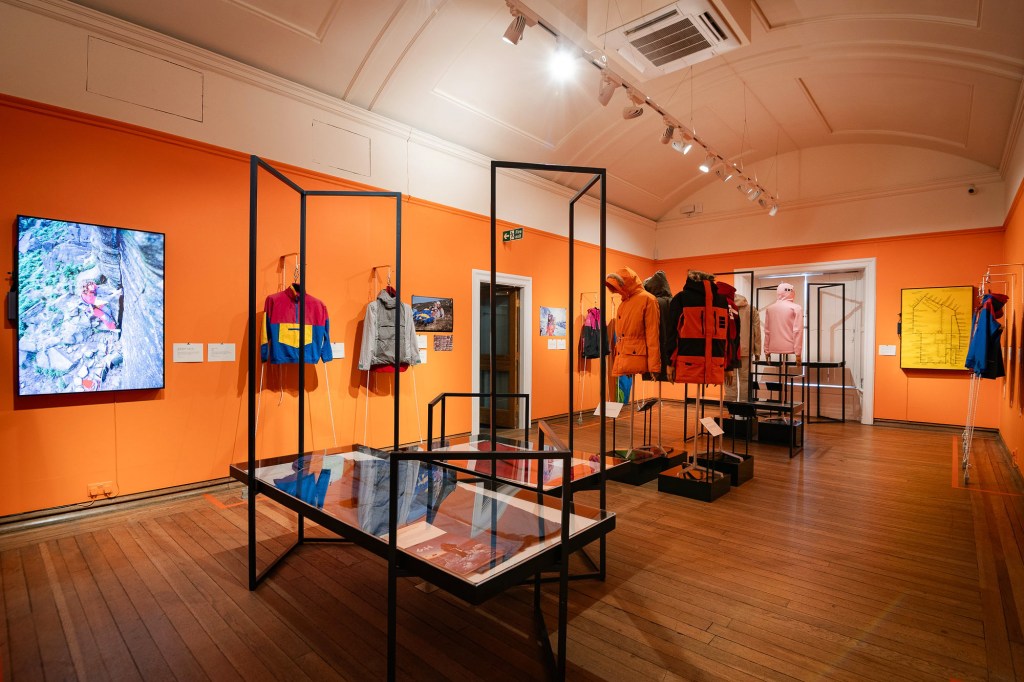
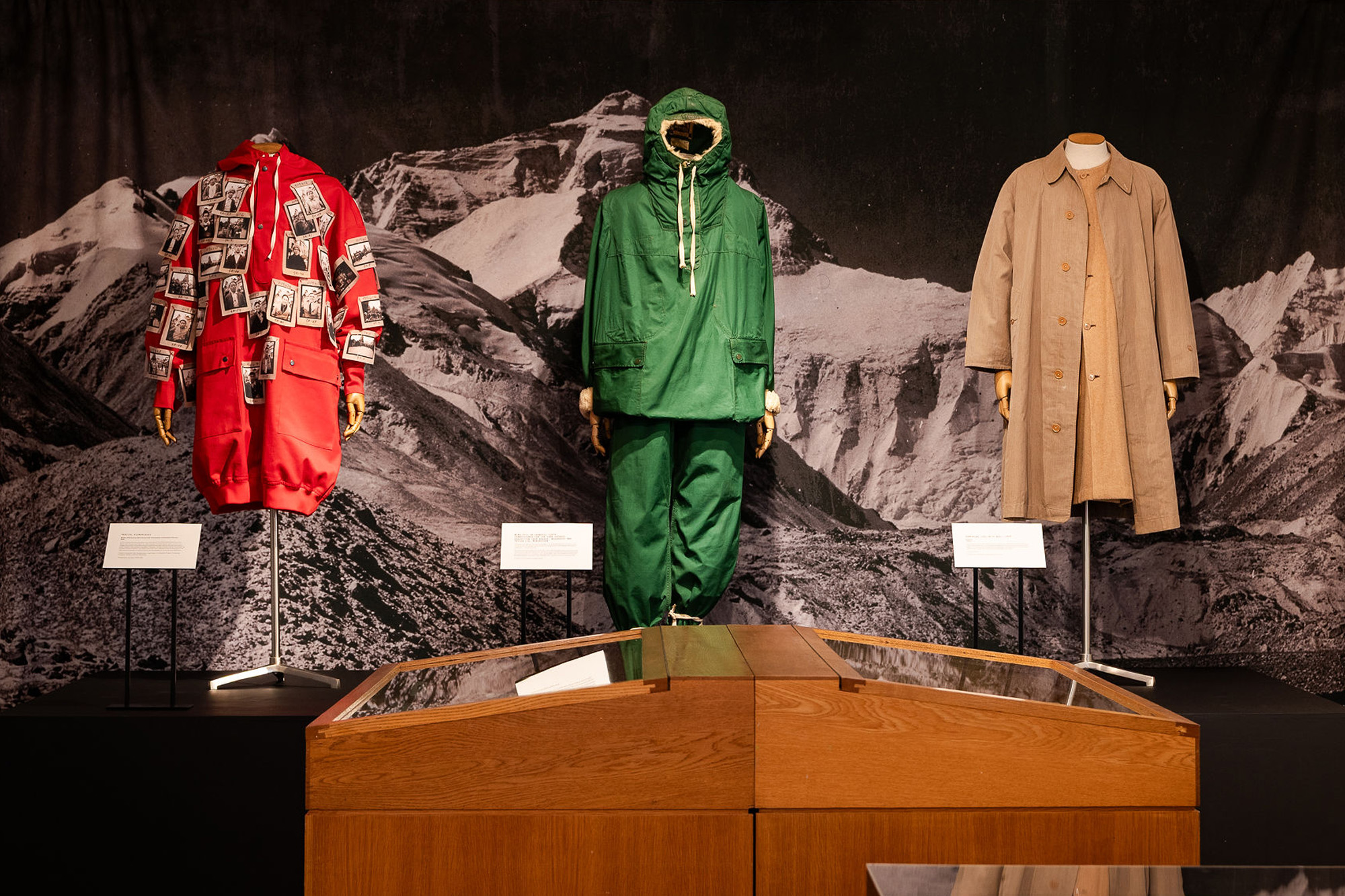
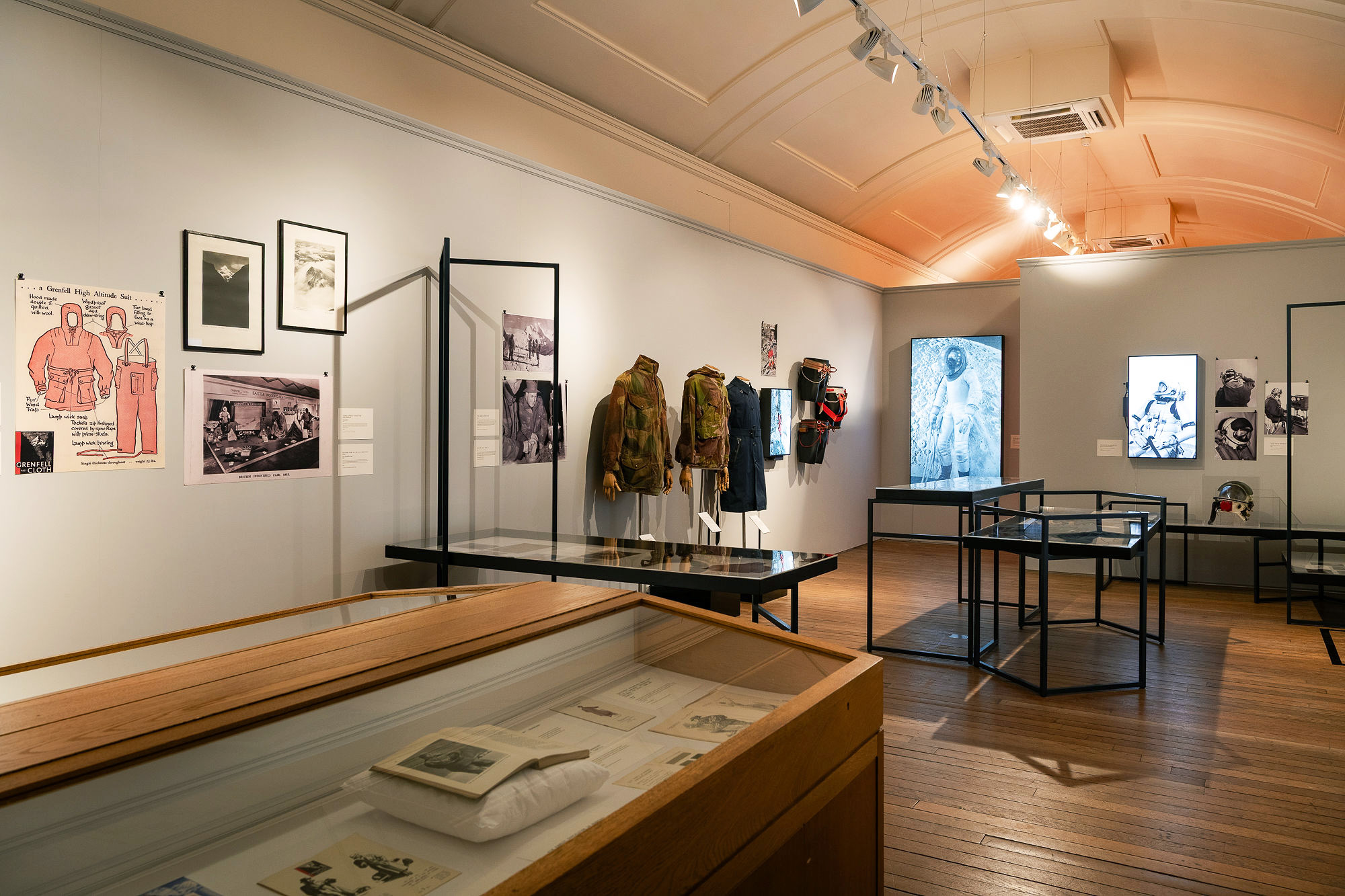
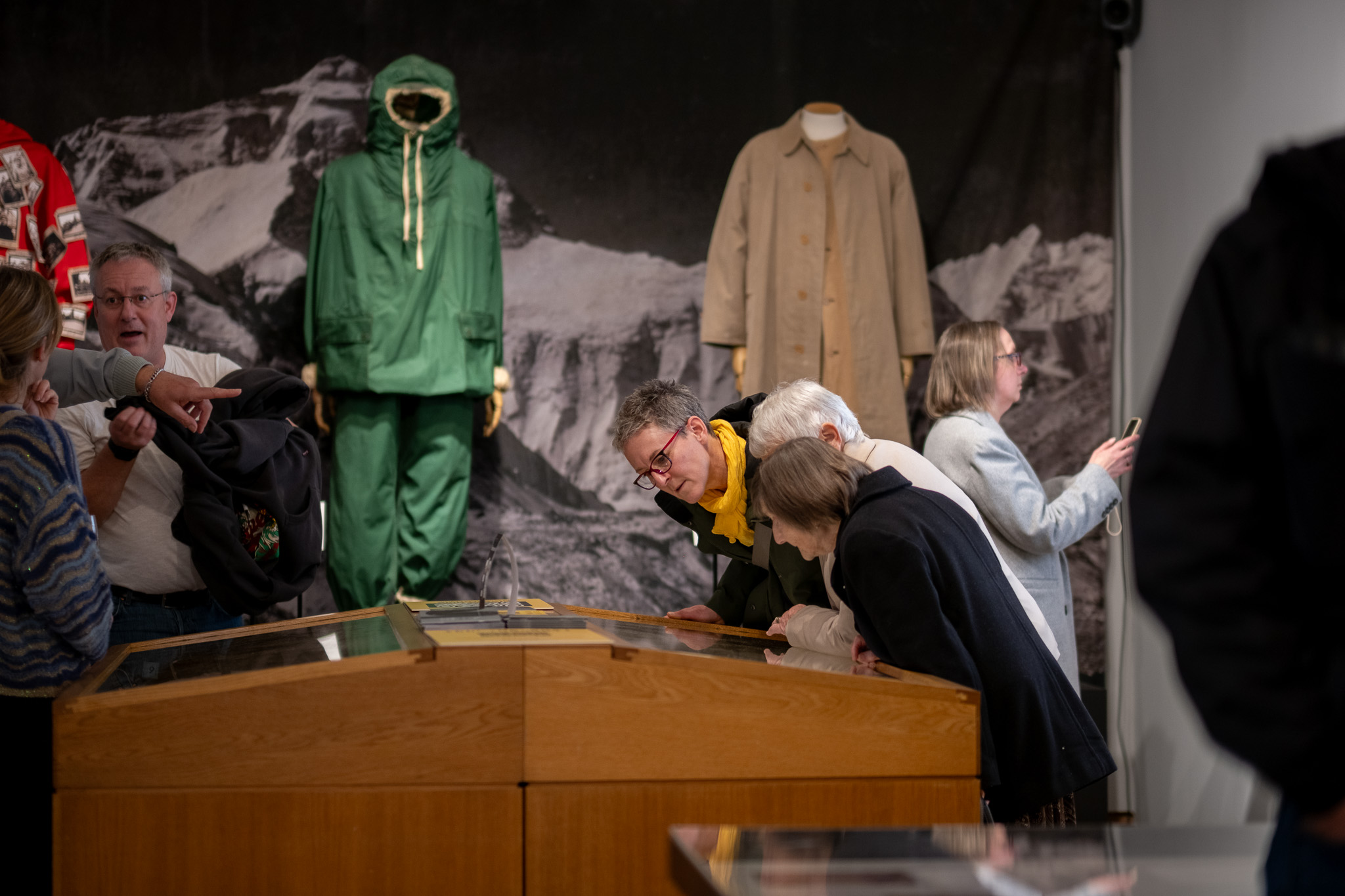

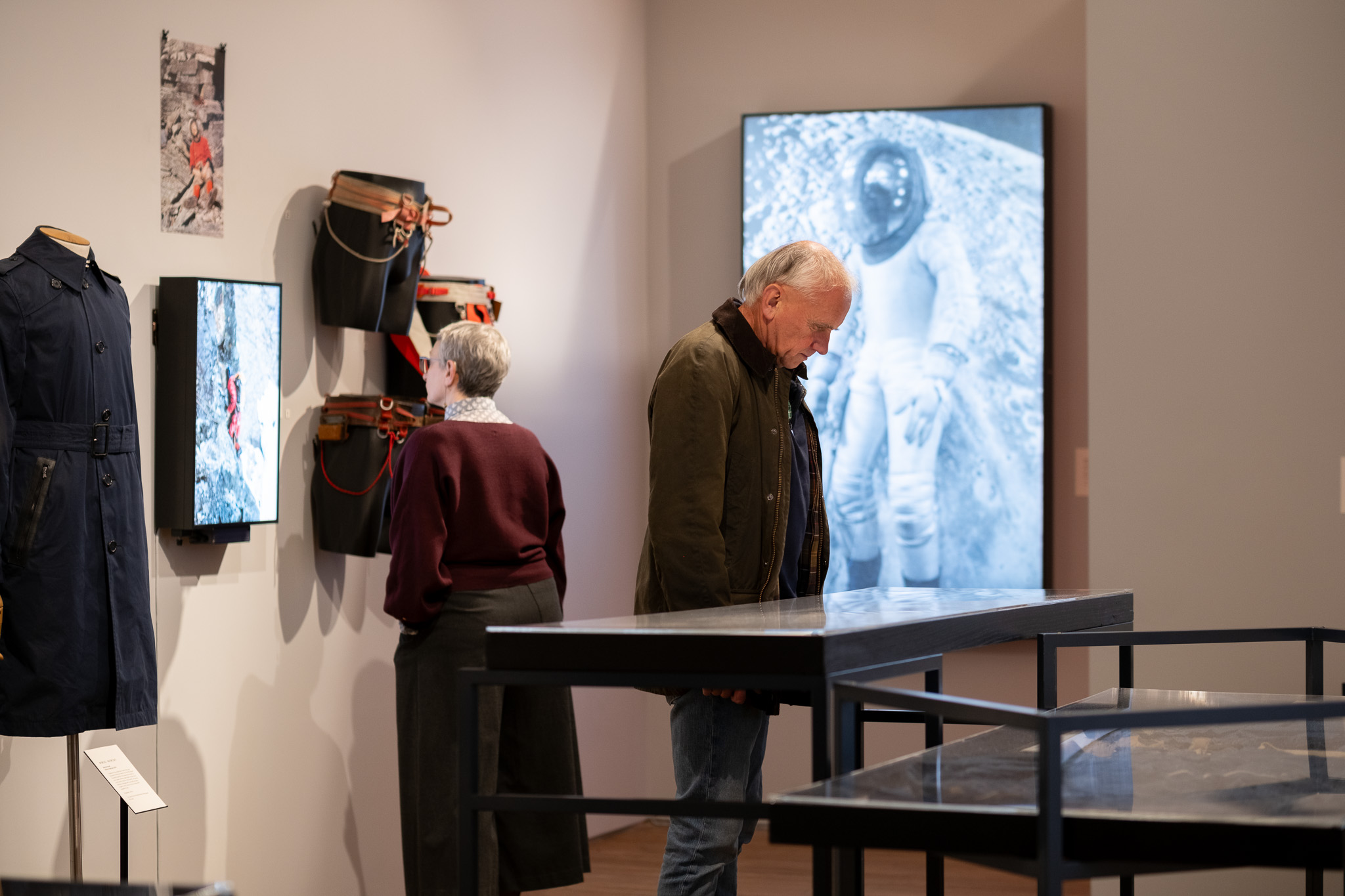

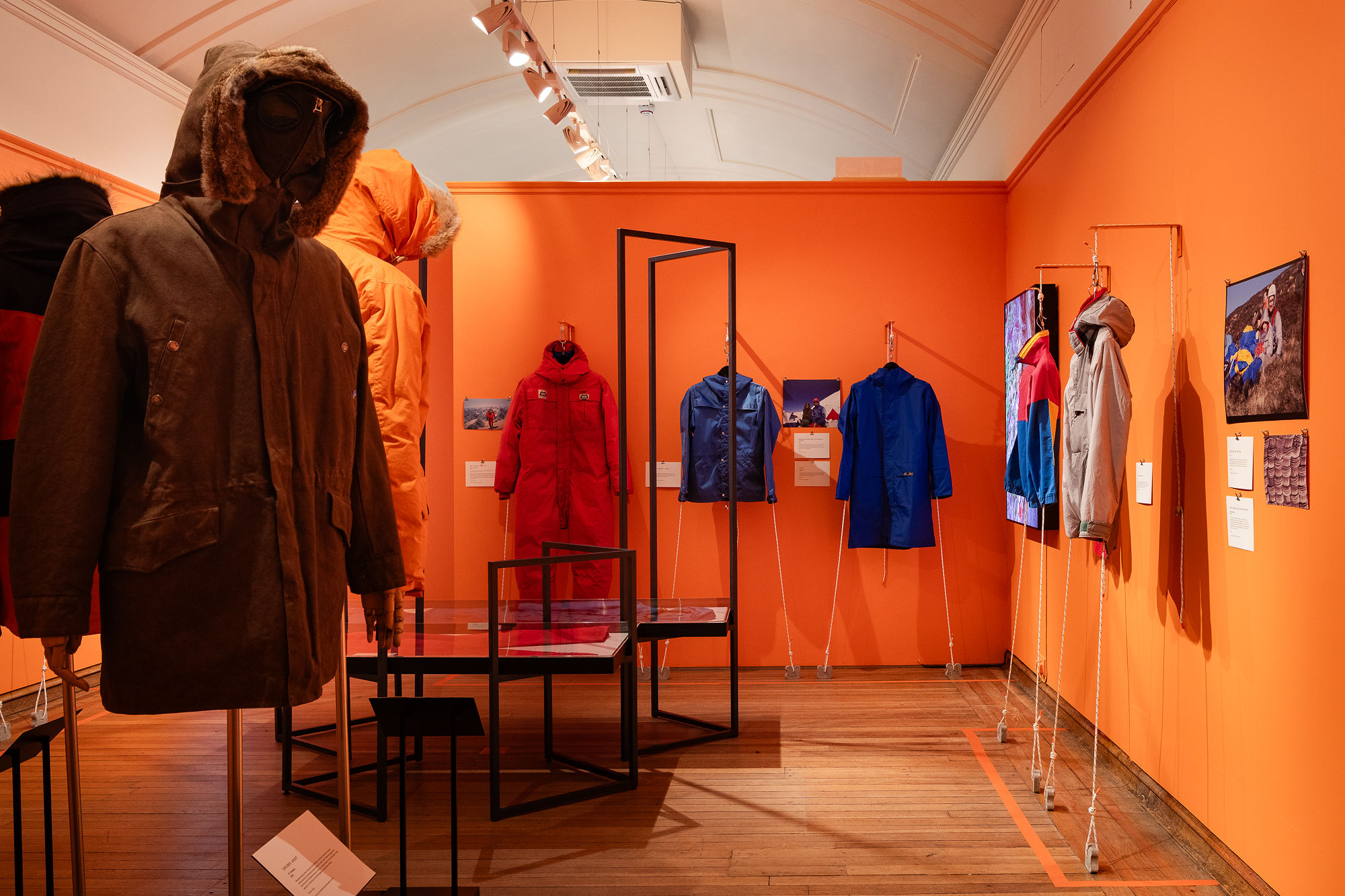
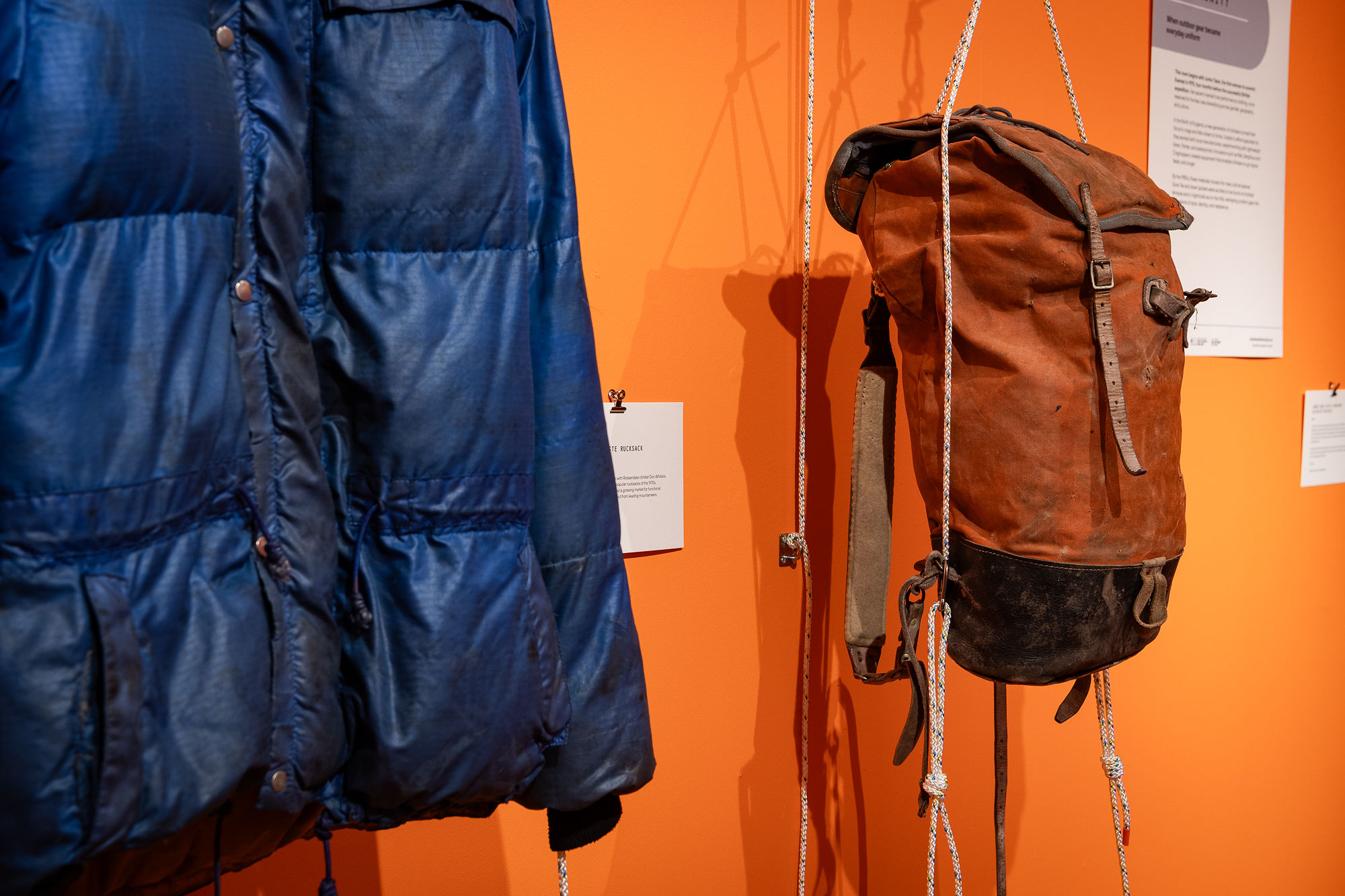

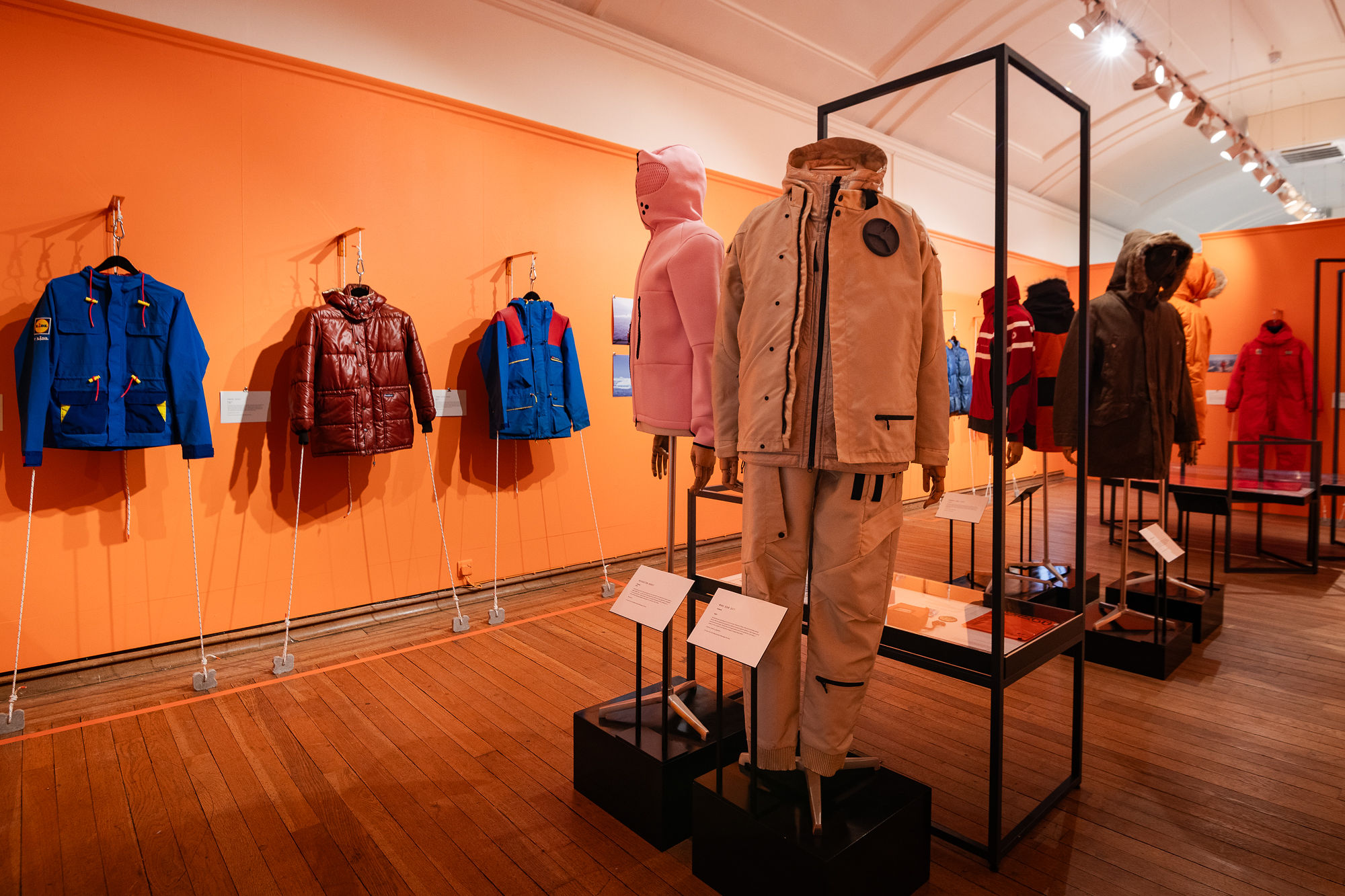
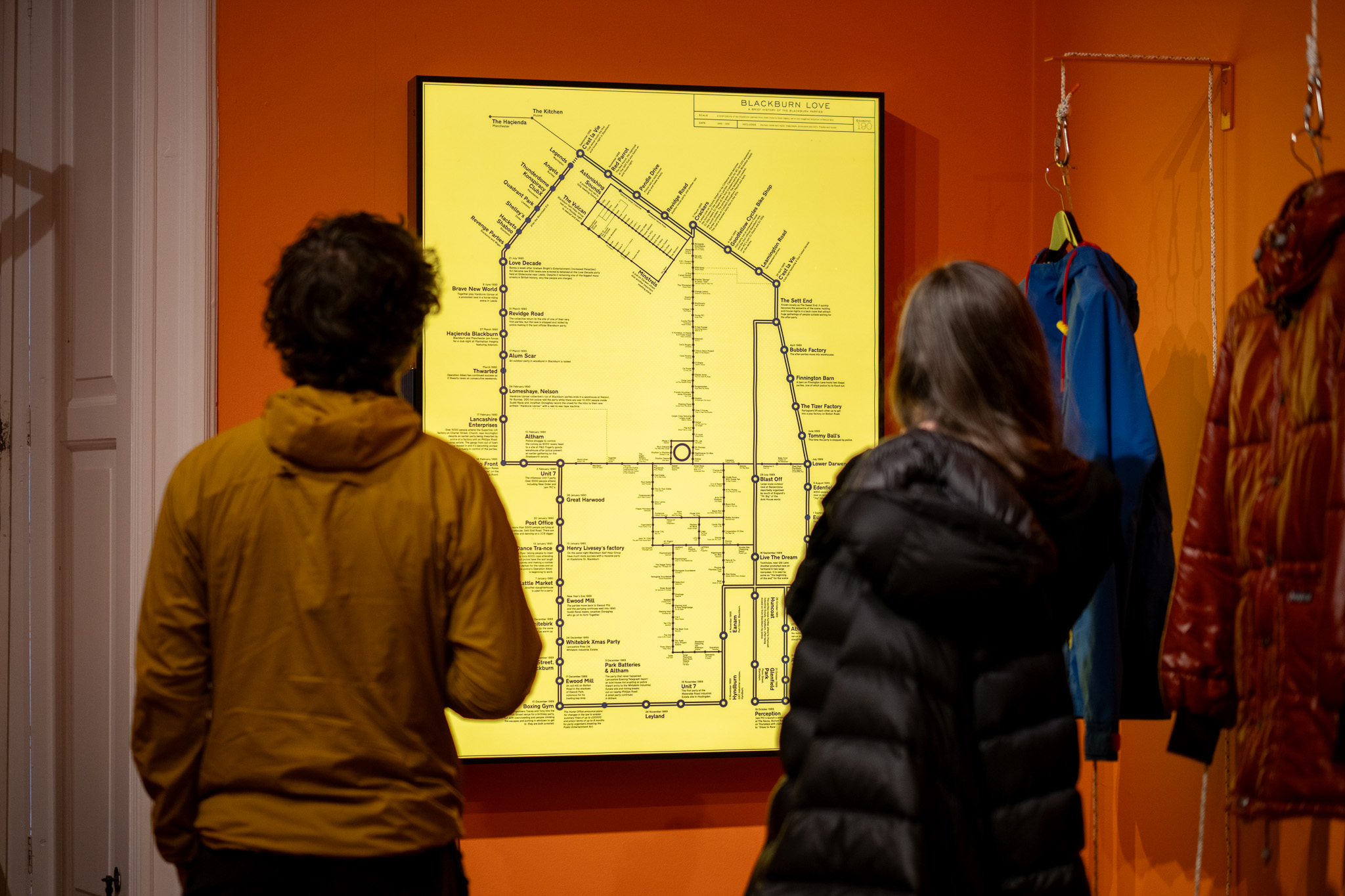
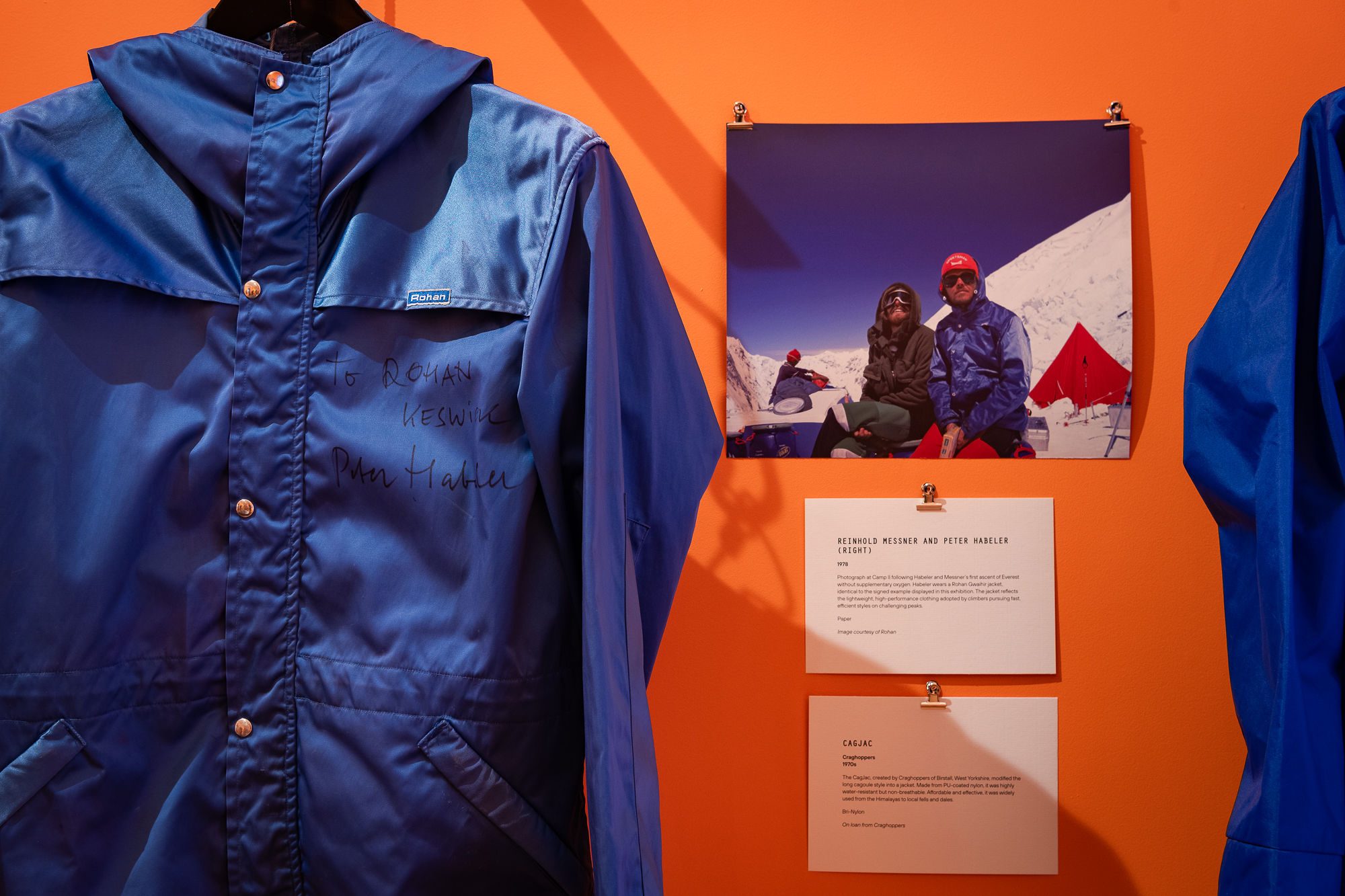
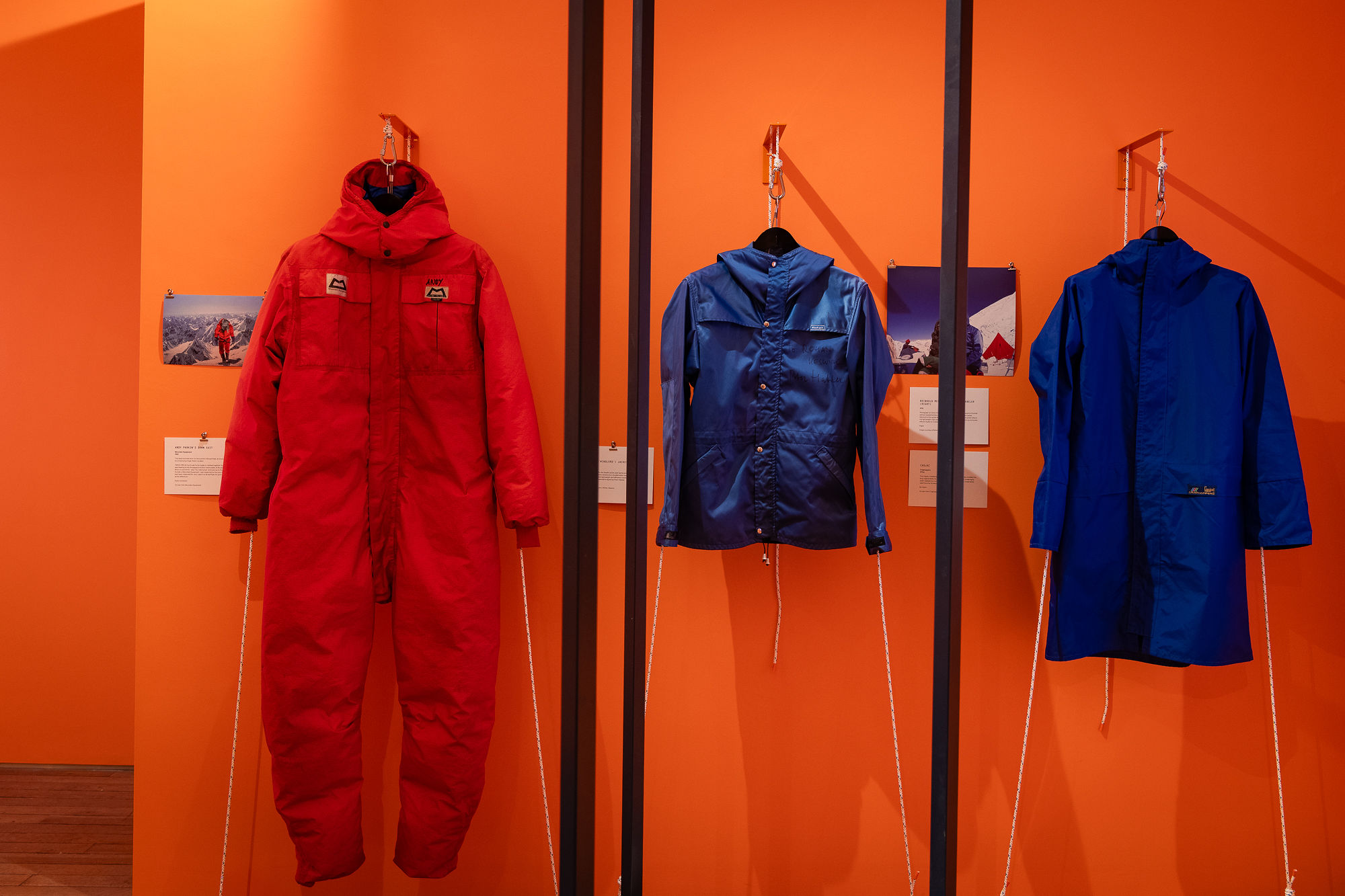
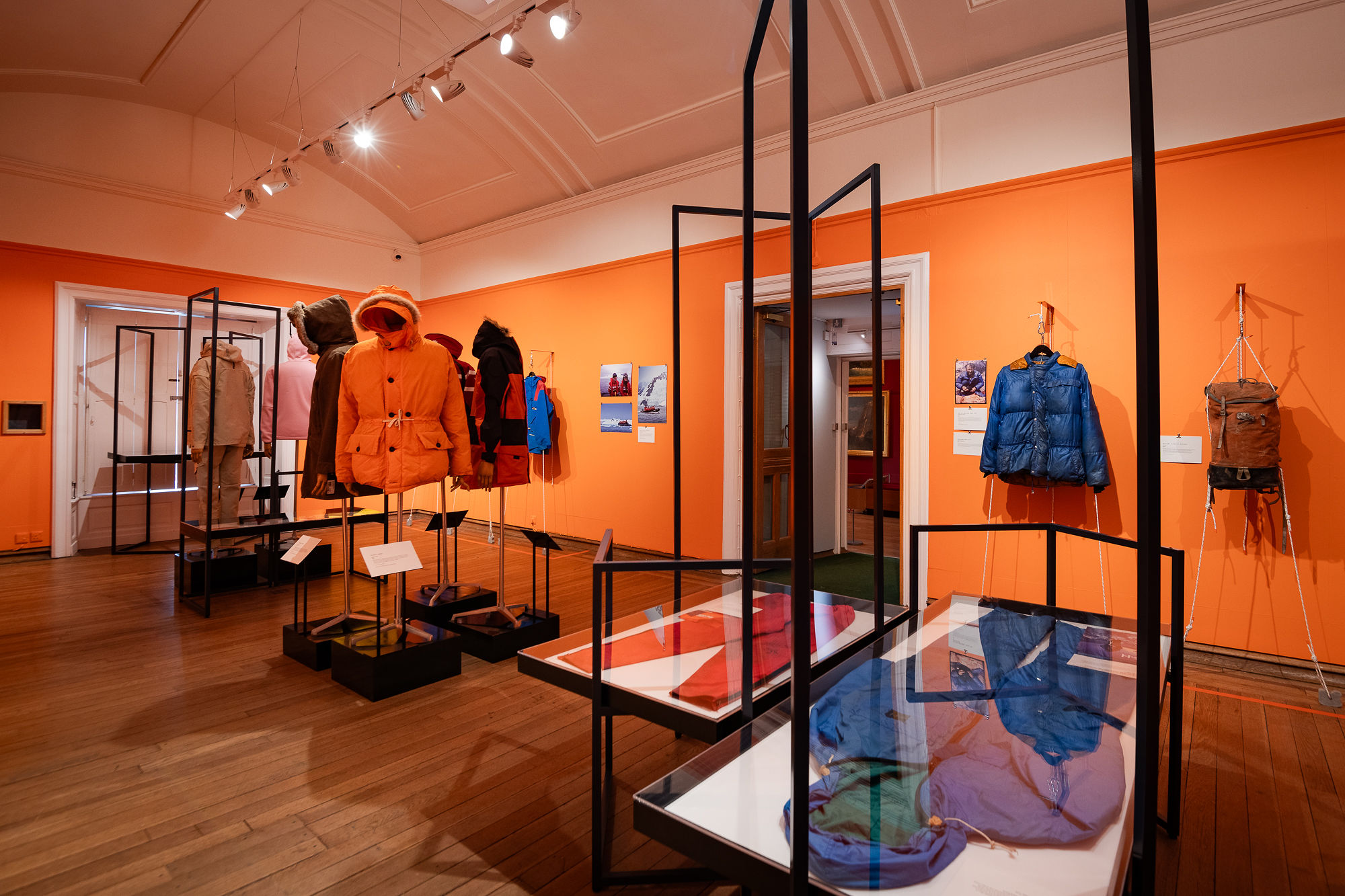
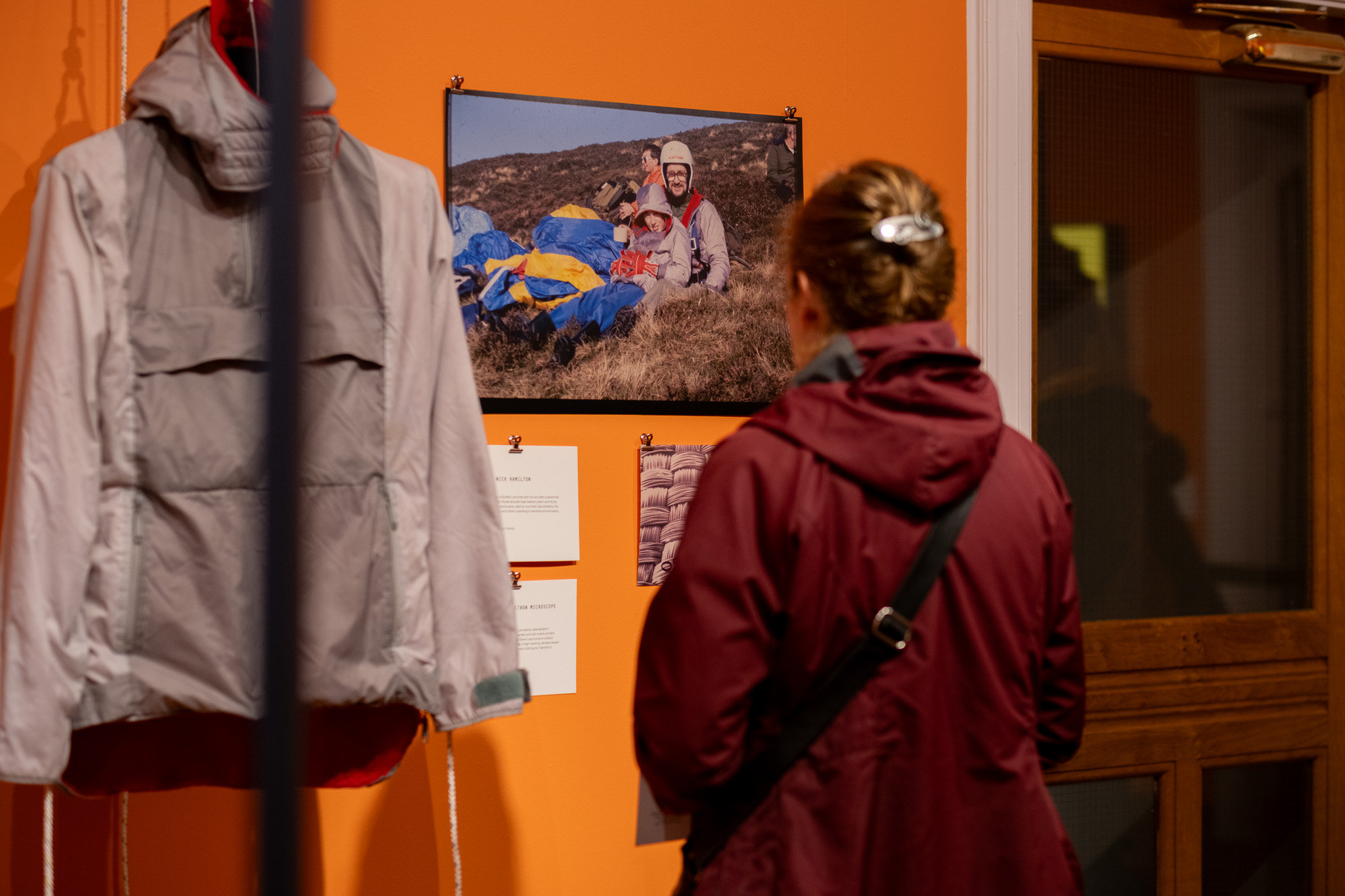
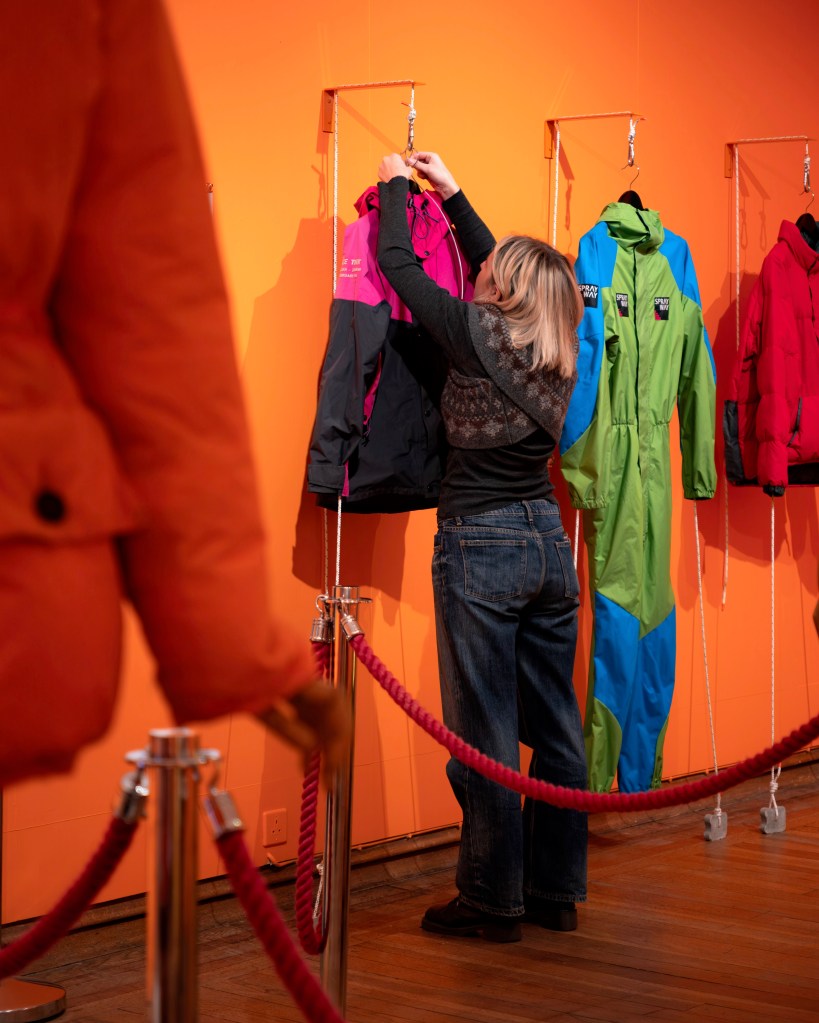
Exhibition Overview
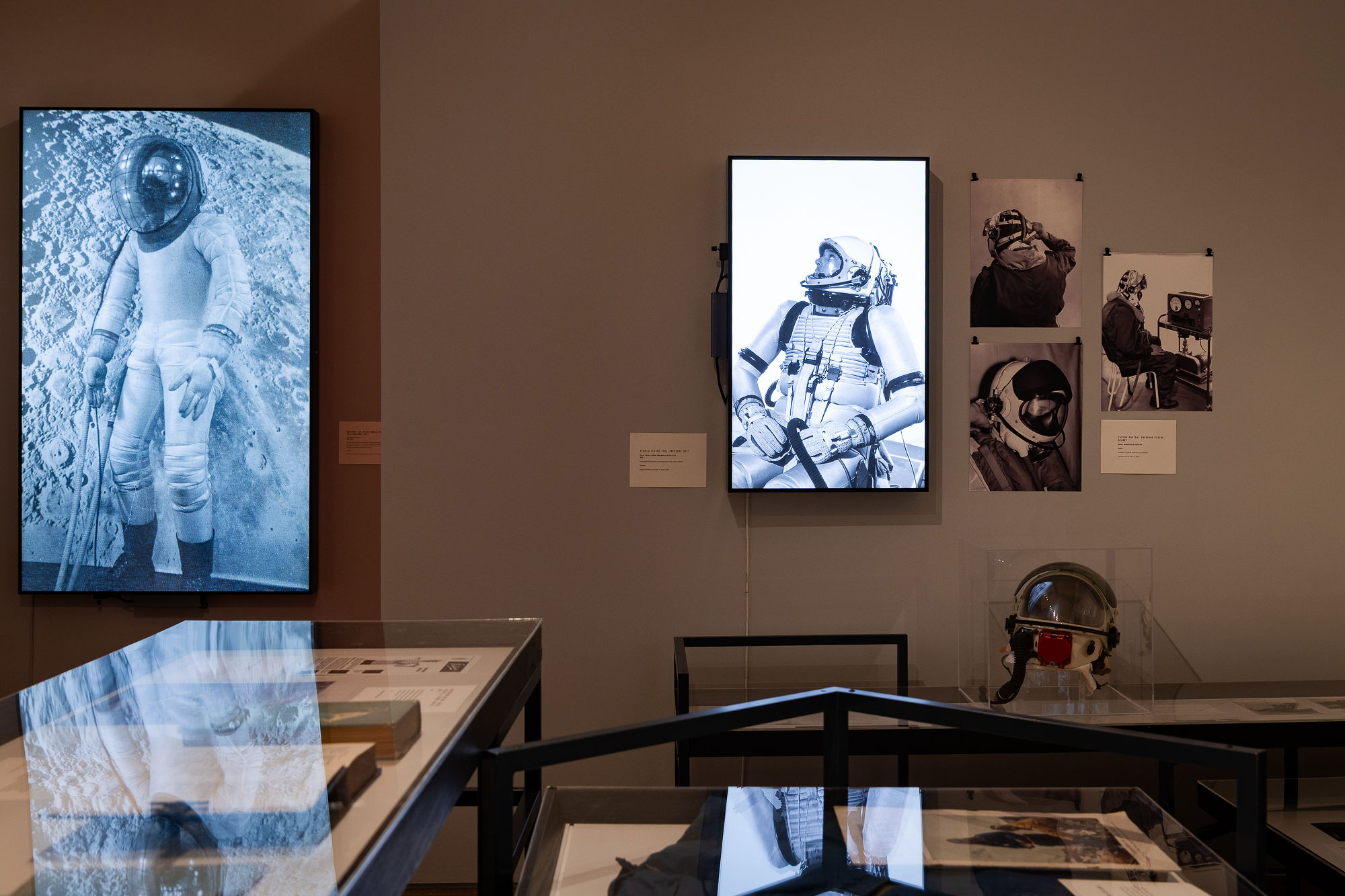
Lancashire’s mills produced some of the most influential performance textiles of the 20th century – Grenfell Cloth, Ventile, Wyncol and early Gore-Tex – fabrics that enabled explorers, soldiers and scientists to survive in extreme environments. These materials travelled far beyond the communities who made them, clothing figures from Amelia Earhart to Edmund Hillary and even appearing in space suits and Star Wars costume.
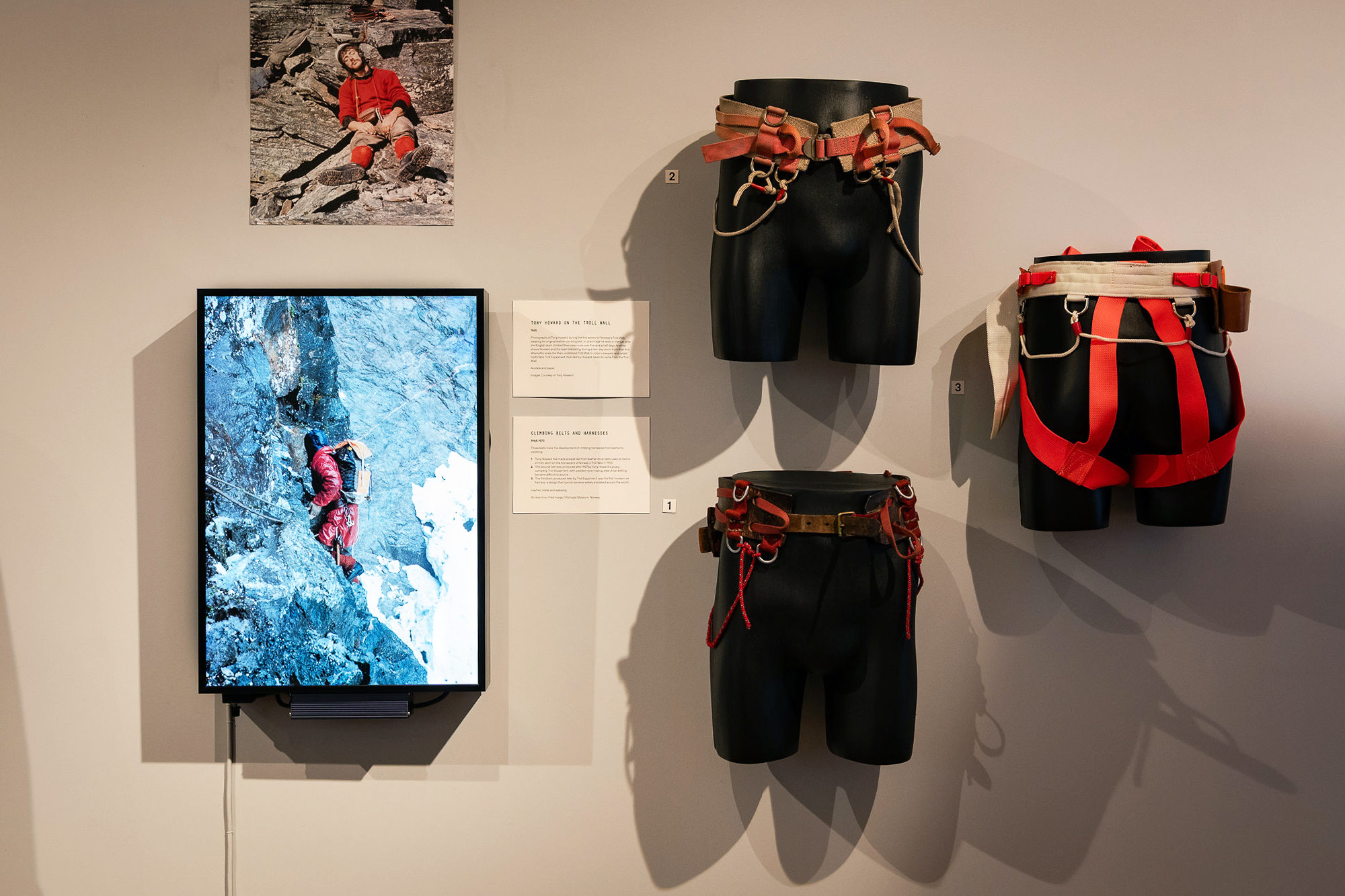
Yet their story is equally rooted in the North West. Climbers in the region reworked and experimented with these textiles, often resourcefully and in collaboration with local manufacturers, helping to spark brands such as Berghaus and Rab. By the 1980s, the same garments designed for survival had become part of terrace style, nightlife and everyday streetwear – expressions of pride, belonging and cultural identity.
At its heart, the exhibition reflects on the relationship between local labour and global reach: how Lancashire-made materials enabled extraordinary feats, and how those same materials were reimagined by the communities living beside the mills that produced them.
Room 1 – The Materials of Power – Clothing made to explore and conquer
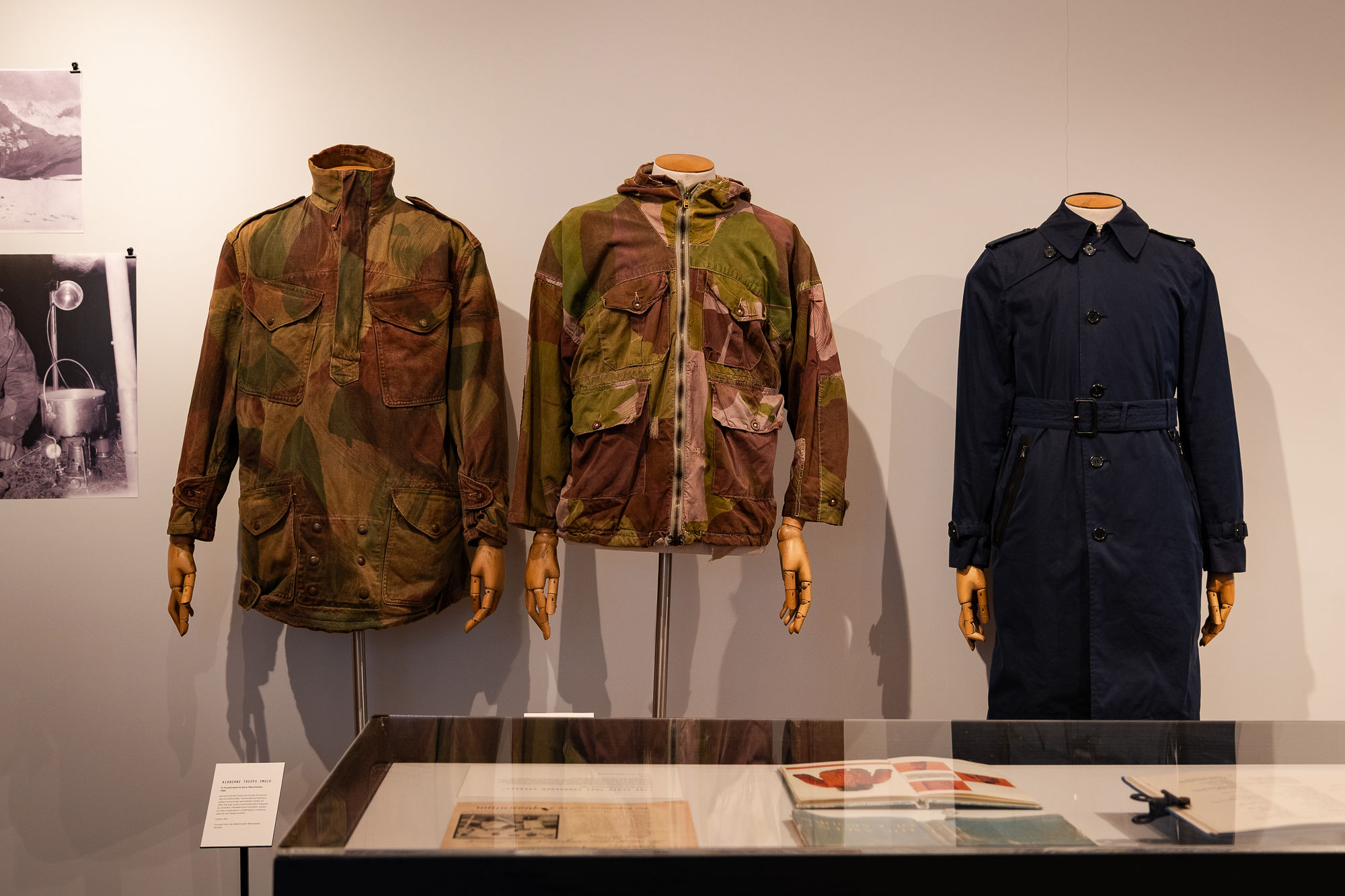
This room highlights textiles created for those with the means and opportunity to travel – adventurers, missionaries, soldiers and pilots whose lives depended on advanced clothing. Ventile flight suits, Grenfell Cloth and Wyncol jackets tested on Everest, and gabardines adapted for polar expeditions demonstrate how garments were engineered for survival and used to reinforce claims of technical innovation and global ambition. All were woven in Lancashire’s mills, where skilled workers produced the fabrics that enabled such endeavours. Yet the destinations reached by these garments – Himalayan summits, polar ice, distant frontiers – lay far beyond the lives of those who made them. Closer to home, the right-to-roam movement opened access to local landscapes, though clothing remained divided by class: specialist kit for the privileged, surplus and wool for most walkers.
Room 2 – The Materials of Community – When outdoor gear became everyday uniform
This room begins with Junko Tabei, the first woman to summit Everest in 1975 – symbolising a shift in who performance clothing was for. In the North of England, a new generation of climbers turned to crags and fells closer to home, collaborating with local manufacturers and experimenting with lightweight down, Pertex and waterproofs. Brands such as Rab, Berghaus and Craghoppers emerged from this ingenuity. By the 1980s, these materials had moved into new cultural spaces. Gore-Tex and down jackets appeared on football terraces and in nightclubs as often as on hillsides, transforming outdoor clothing into expressions of identity, community and resistance.
 Emily Tonge