
Lengths of Time (2024)
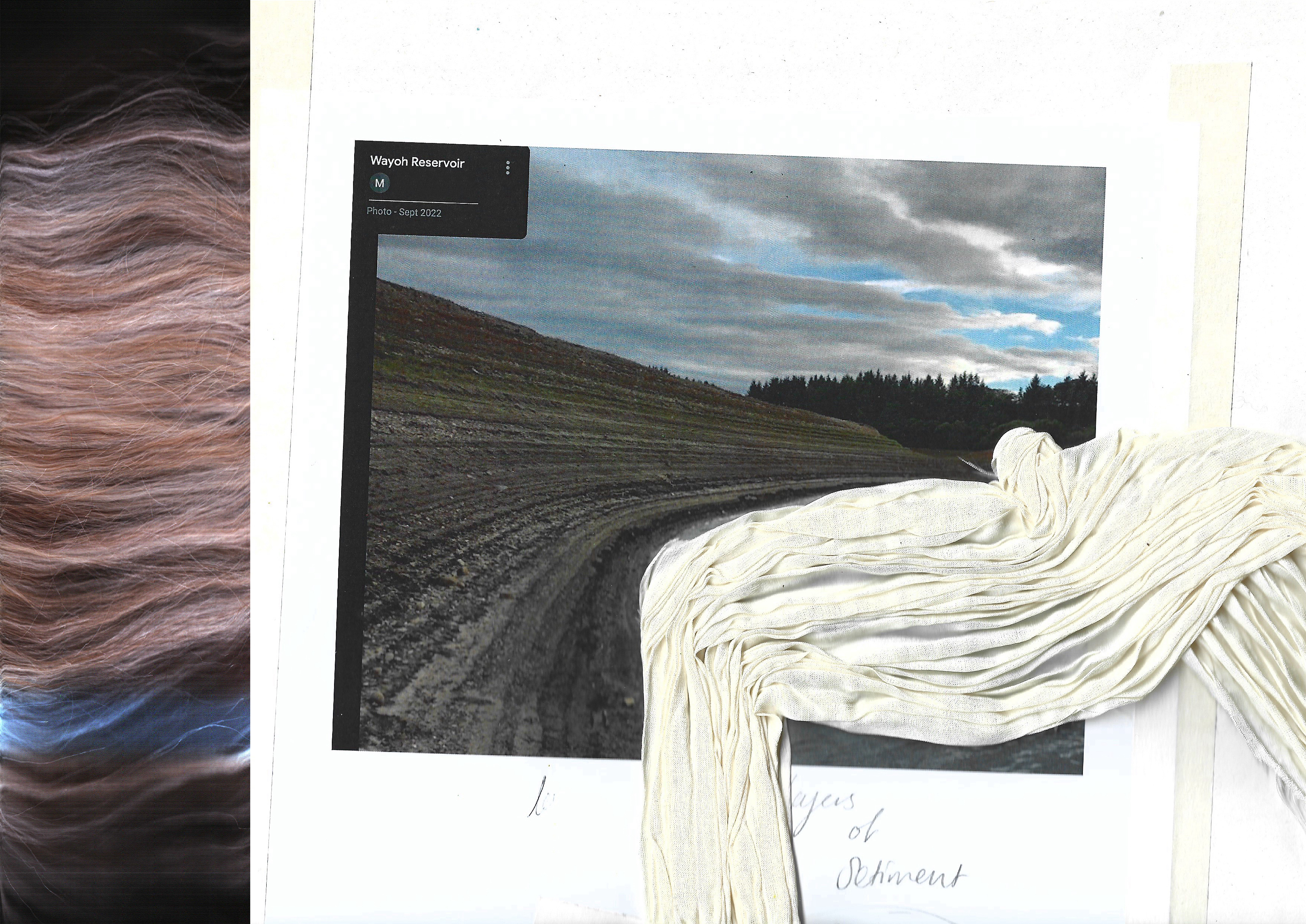
Lengths of Time is a body of visual artworks and accompanying artist essay that examine the colonial, capitalist conflation of the feminine with nature, interrogating the symbolic and material slippages that enforce systems of extraction, domination, and control.
These works interrogate how gendered constructions of time, water, and land underpin cycles of exploitation and resistance.
Through the dismantling of the Mill Time Clock, this work reflects on the intimate connections between industrial systems and the body. It highlights the historic resistance to these controls and the ongoing lineal extraction from people and our environment.
You can jump to the essay here: Lengths of Time//Bodies of Water
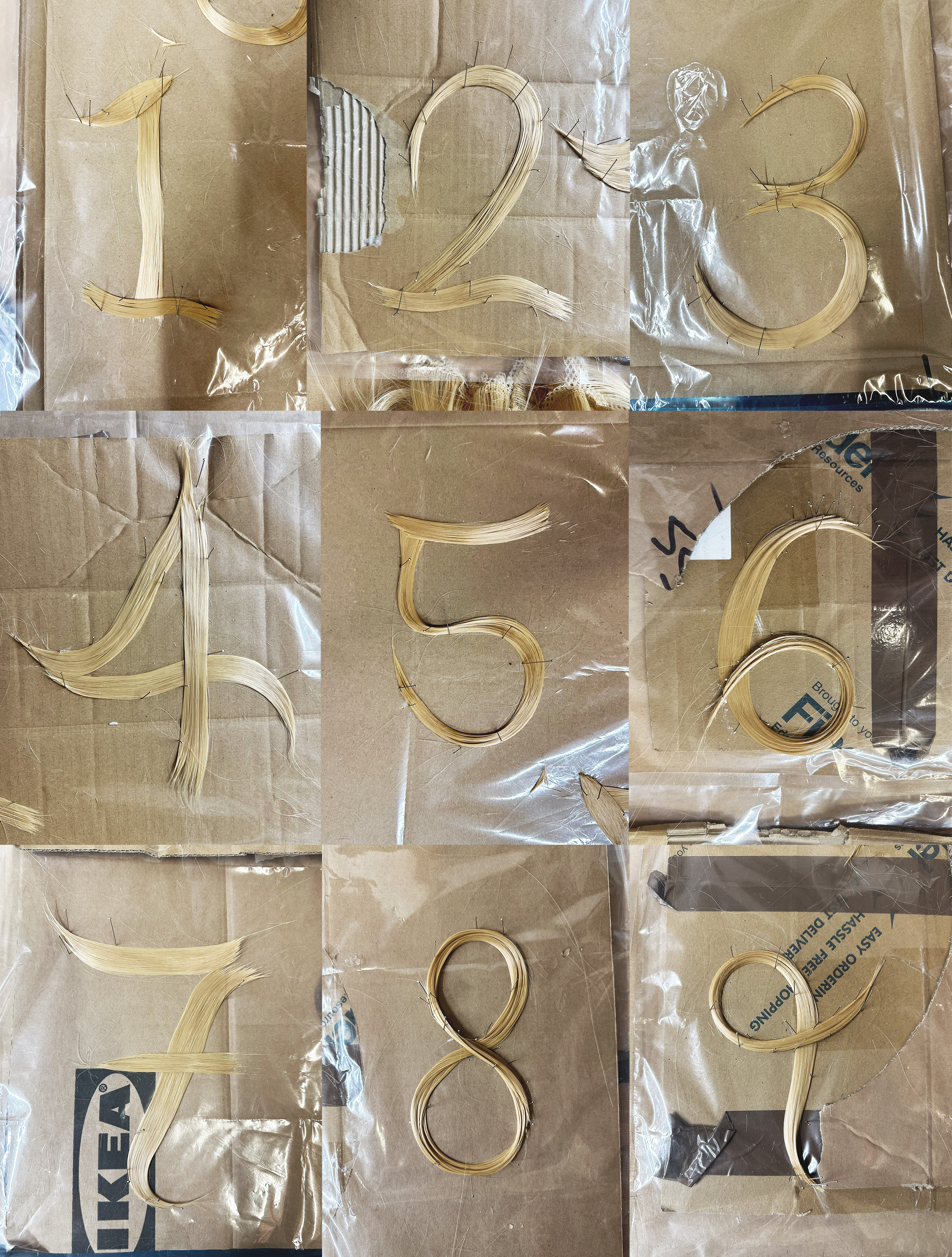
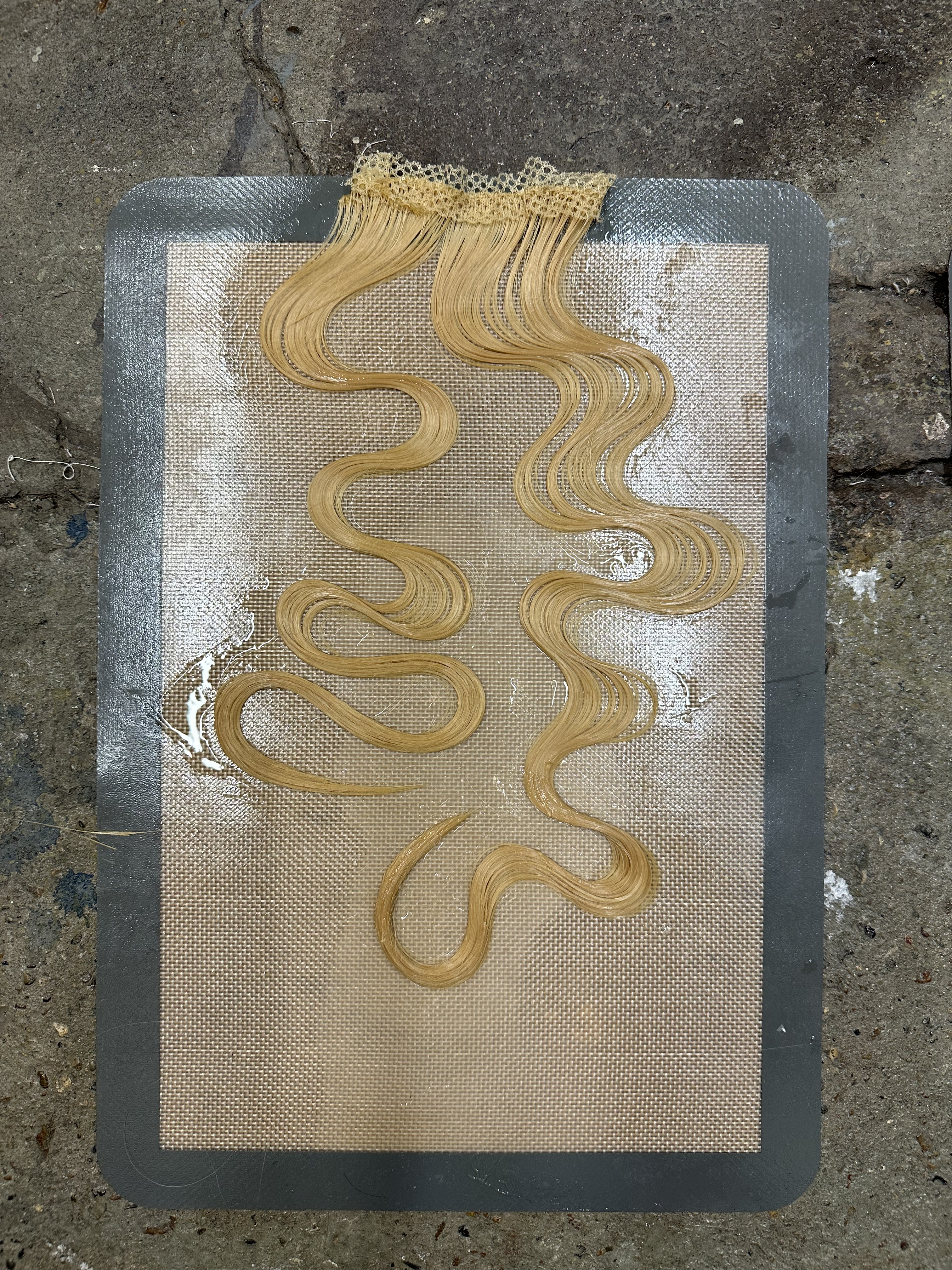
Lengths of Time (2024) Faux Hair and Acrylic
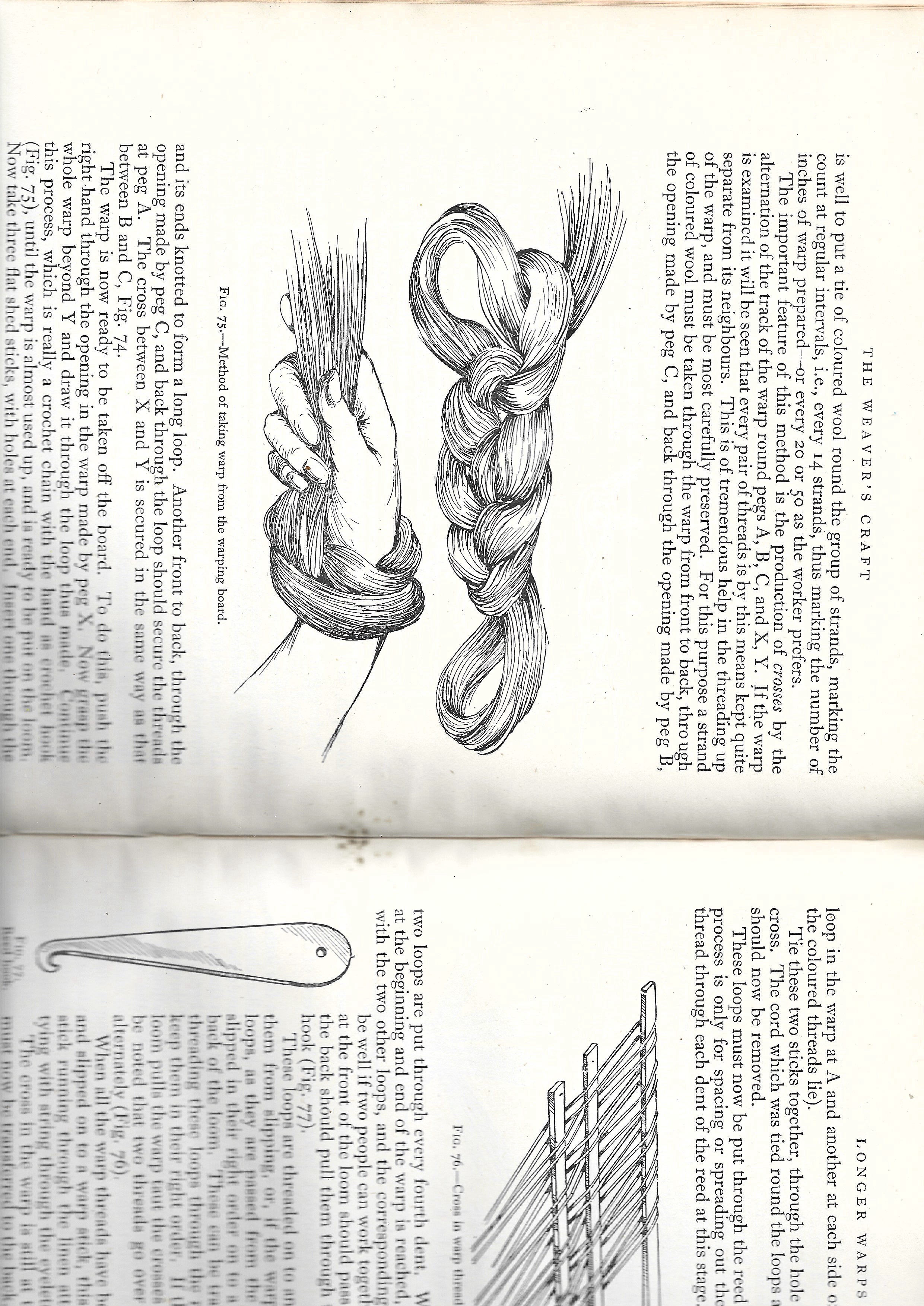

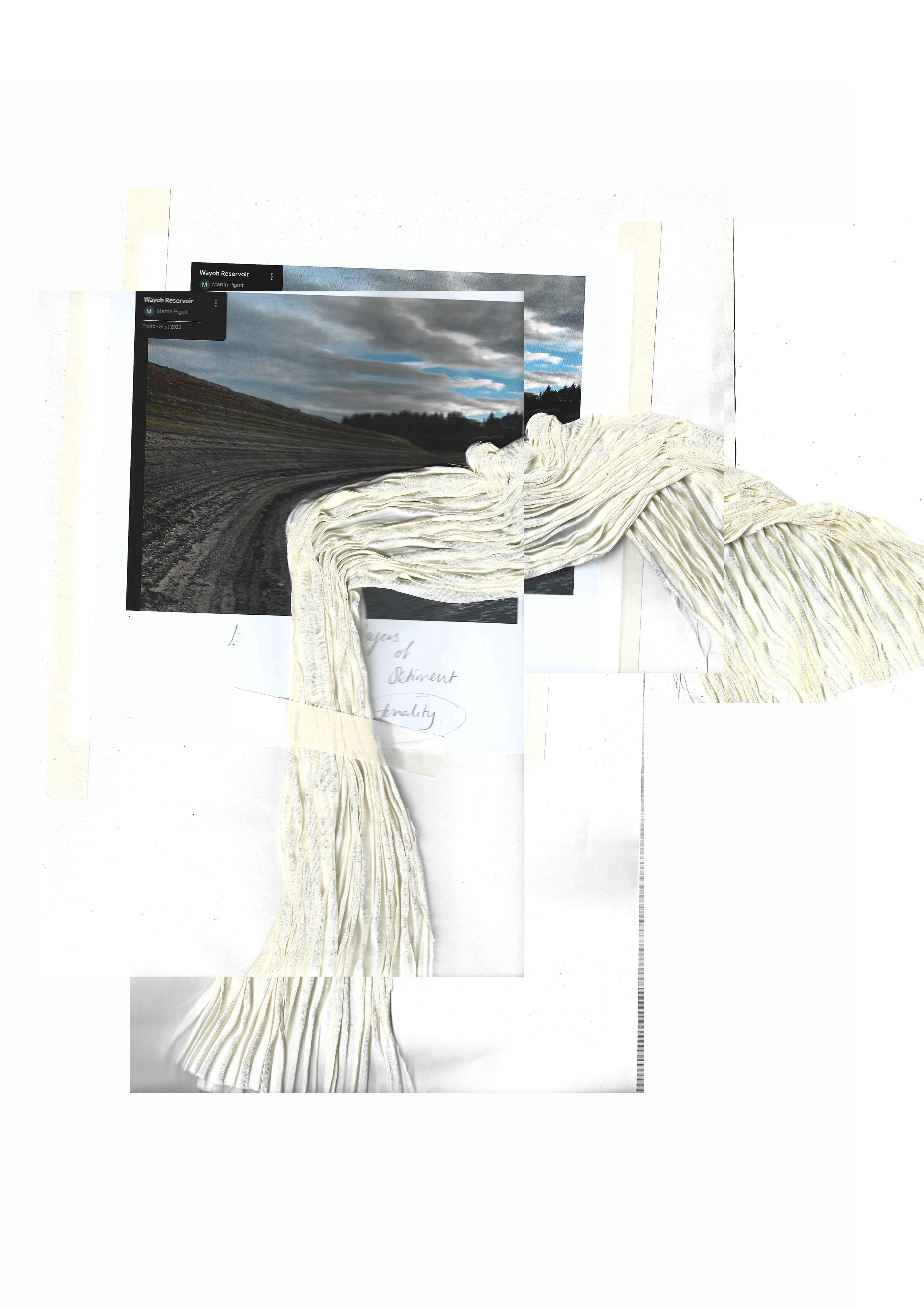
Cartridge Paper, Masking Tape and Plisse Silk Chiffon

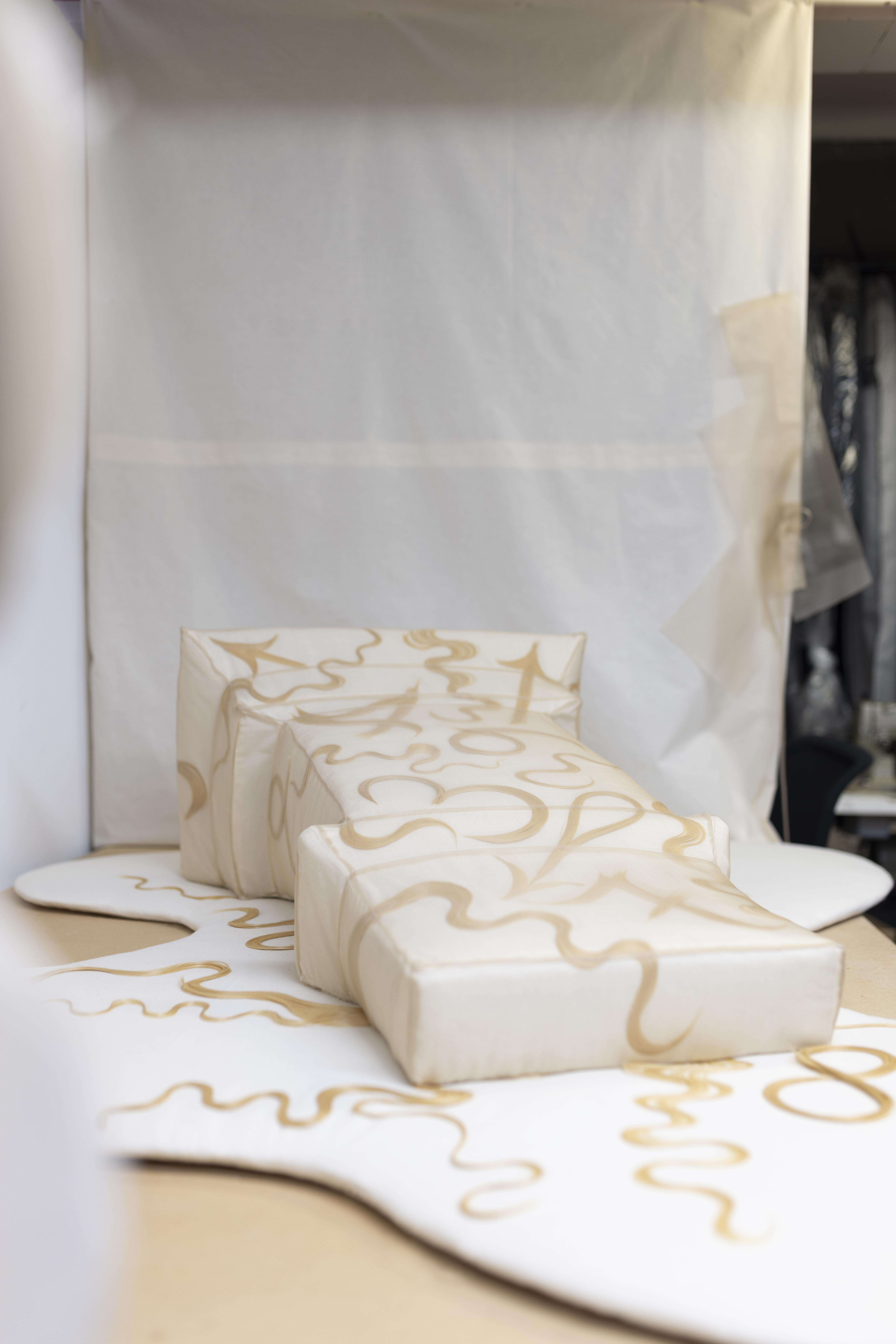
Silk Organza, Faux Hair, Cotton, Wadding and Corrugated Fibreboard Photo Credit: Dami Ayo Vaughan
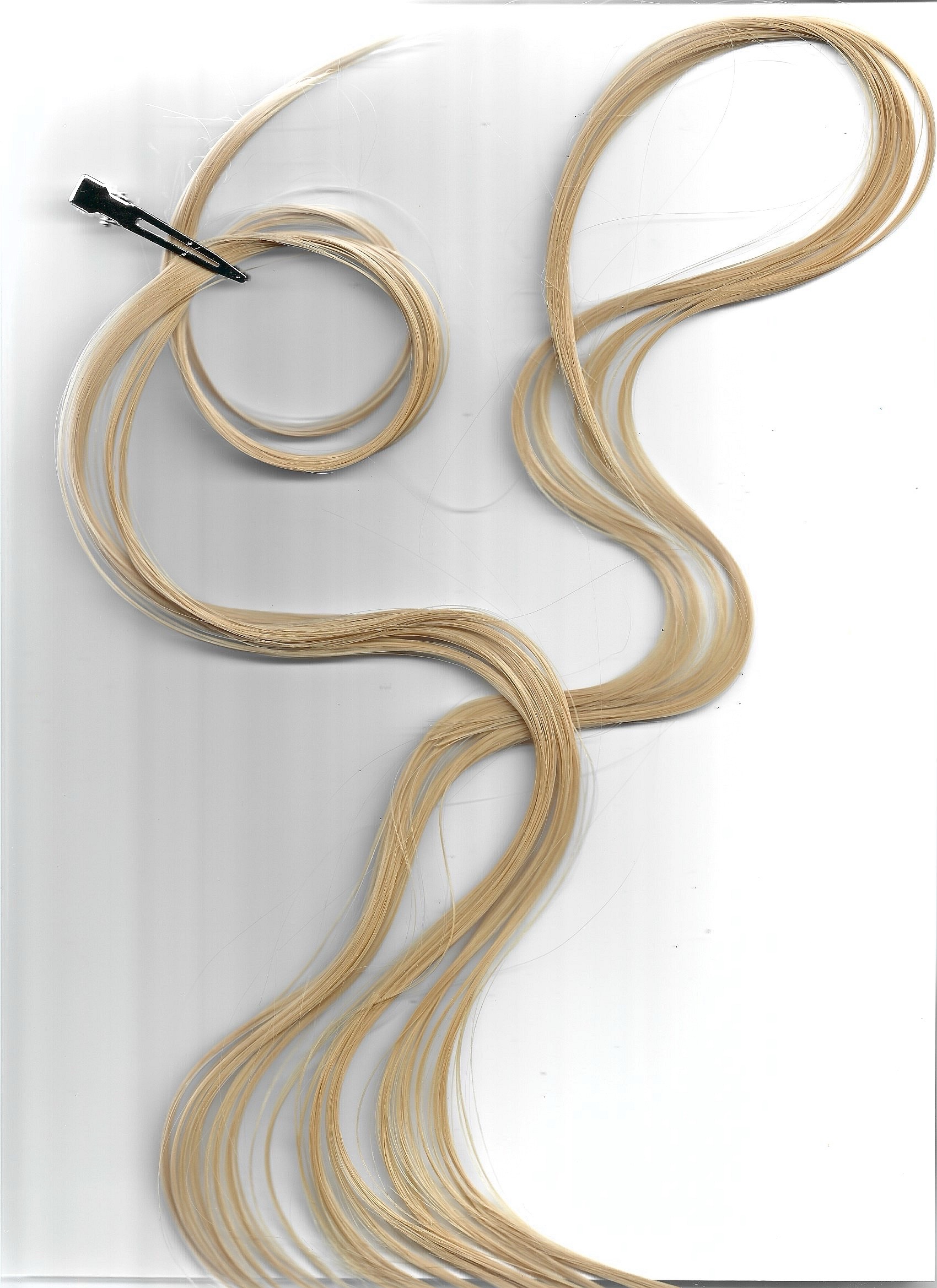
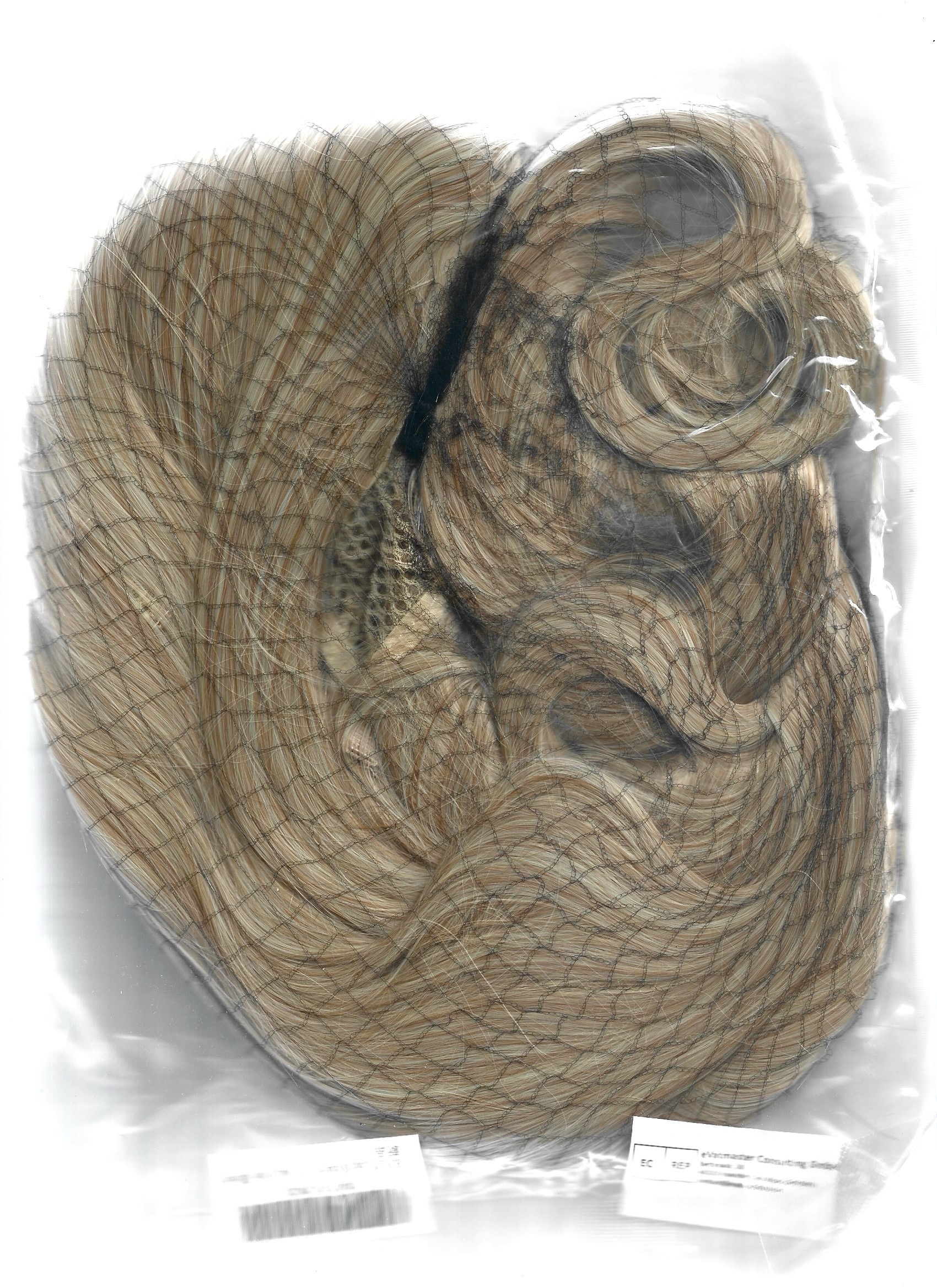
Faux Hair and Plastic Sheeting
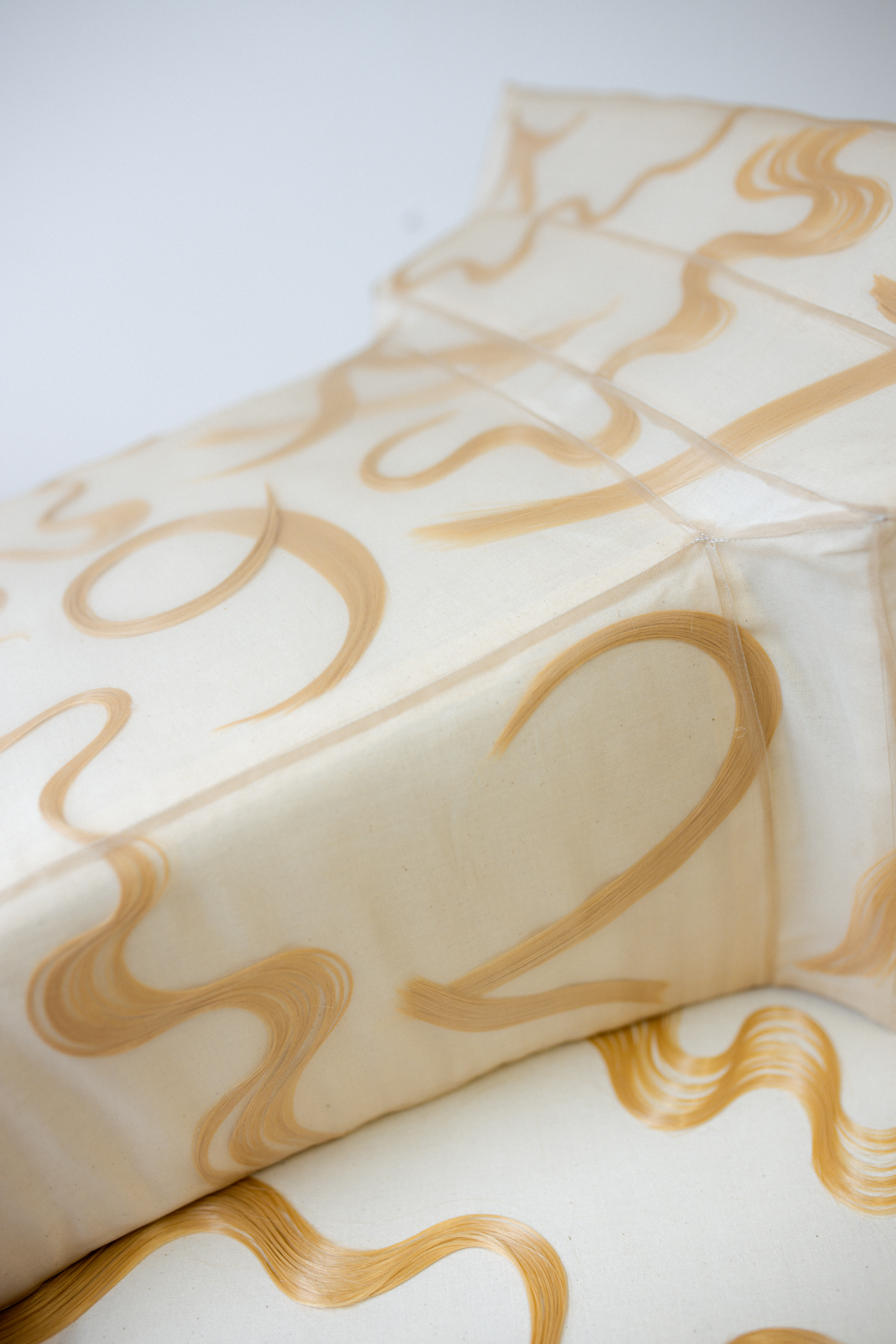
Silk Organza, Faux Hair, Cotton, Wadding and Corrugated Fibreboard Photo Credit: Dami Ayo Vaughan
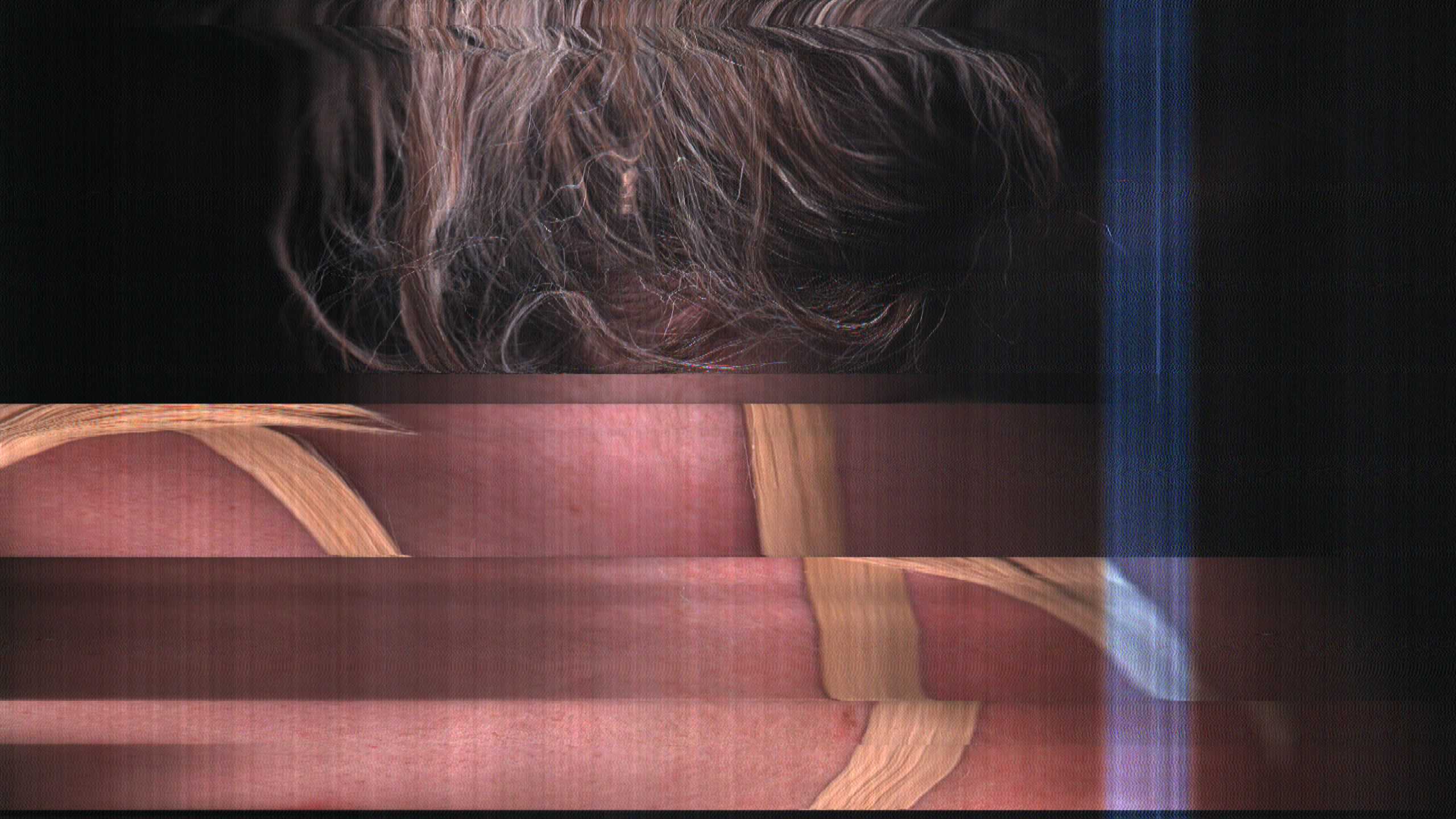

Silk Organza, Faux Hair, Cotton, Wadding and Corrugated Fibreboard
Photo Credit: Dami Ayo Vaughan
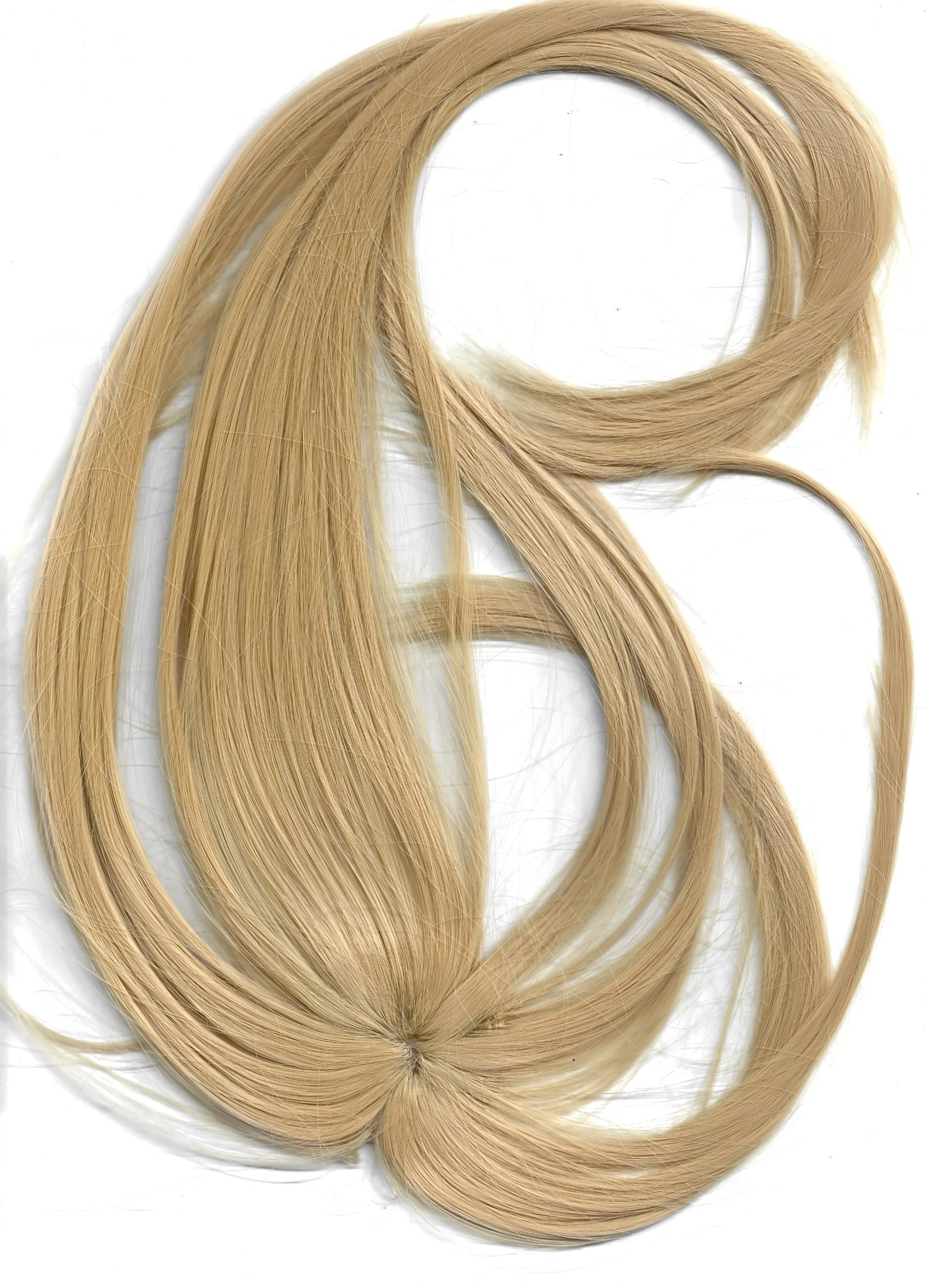
Faux Hair

Lengths of Time//Bodies of Water
The Gendering of Nature and Time
Nature’s gendering as feminine has identified it as a place for conquest and exploitation, as well as mastery and control. Creating a “symbolic slippage between land and a woman’s body, between colonisation and sexual mastery”, expressed by Sawyer and Arun Agrawal in Environmental Orientalisms revealing how Western power structures have aligned domination over nature with control over women’s bodies.
“The female body, both literally and metaphorically, was a primary terrain on which European colonialism asserted its power. Within a nascent colonialist discourse striving to legitimise and appropriate its fantastic “discoveries”. The Western gender hierarchy served as a template through which to assert domination. Land gendered feminine and sexed as an intact female body was ripe for exploration and conquest.” Through this framework, both women and nature are backgrounded, denied intrinsic value, and treated as passive resources meant to provide without replenishment.
Through these efforts to control and dominate, the backgrounding of women and nature is deeply embedded, with a denial of dependence on biospheric processes. In this schema, not only women’s labour but also the labour of colonised, non-Western, non-white people, was subsumed into nature—deemed natural and therefore exploitable.
Water too has been part of this; feminised as passive and yielding, reinforcing the ideological view that it required management and control. The technological manipulation of water made it increasingly invisible and abstract. Worster in Water in the Age of Imperialism and Beyond, states that “empires have been built on the conquest and control of nature. With imperialism resting on the transference of hydraulic engineering and water-controlling apparatus, to the rest of the world, spreading the tools of empire.”
Durational Time
Western understandings of time similarly shifted with capitalist development. Time was once represented in the cyclic processes of nature, the alternation of day and night, the passage from season to season. Time was seen as a process of natural change, and we were not concerned with its exact measurement. This is known as Durational Time. Durational Time’s underpinning in nature, with seasons and weather instructing timely human activity, I propose, has seen it gendered feminine. And falling within the scope of domination and control by colonial and capitalist forces.
Time as duration became disregarded, being now measurable in mathematical symbols, became known as a commodity that could be bought and sold. The clock dictates our movements and inhibits our actions. The clock turns time from a process of nature into a commodity. Time symbolises the labour of workers, a raw material of industry.
Time is a social construct and how humans experience time has changed under capitalism. Instead of measuring time through processes such as the change of the seasons or the day-night cycle, we have “abstracted” time to that of the clock – minutes, hours etc. This is ultimately in the service of capital and is used to help quantify labour and productivity.
In early factories, where clocks were present, some employers would manipulate their clocks to control their workers. An overt example is the double-dialled clock from Park Green Mill in Macclesfield, which had a bottom face to show the ‘real time’, and a top face to show the ‘mill time’. Its hands were connected to the mill’s water wheel and like the mill’s machines, the clock’s hands only moved when the water wheel ran. If the water flowing to the mill’s water wheel stopped or slowed, so did ‘mill time’. If ‘mill time’ ran slow, the mill owner might consider that their employees were not working as hard, and expect them to make up lost production time, working until the clock showed the correct stopping time and resulting in even longer days of toil.
This two-faced clock, which sits at the centre of research, intersects and demonstrates the control of time, labour and water. The clock’s weaponisation of these elements of human experience, shows the multi-faceted approach that capitalism and imperialist forces take to control and exploit people and places. And the unification of elements to exact power. The connection between the elements is their foundations in nature, and therefore the gendering of them as feminine.
–
Our conception of power and energy, as well as our relationship to water, ”is based on a linear model that is now showing itself to be not only inaccurate but life-threatening. This linear model is based on the assumption that energy can be continuously extracted from nature, from water, from the working class, from people of colour, from Indigenous communities, and women, without giving back anything of sustenance.”
“In the linear model of power production, energy is extracted, distributed, and consumed, and in the process, wastes are produced: noise, electromagnetic radiation, flooding, and pollution. In nature’s energy model, production and consumption form a continuous flow; there is no waste” Ecofeminism, Mies & Shiva. This is reflected in durational time; based on life cycles, seasons, harvests and weather. It held humans in sync with the ebb and flow of its needs, providing the resources and nutrients to sustain life without exploitation.
In WOMEN, WATER, ENERGY: An Ecofeminist Approach, Gaard writes that ‘these examples of environmental sexism, environmental racism, and environmental classism reveal something about Western culture’s attitude toward nature (and time). They reveal how as inhabitants of Western culture we are conditioned to think about these elements and how we are conditioned to think about power and dominance.”
A fundamental insight of eco-feminism has been its understanding of power and power relationships. From this perspective, power itself is a neutral entity that can be used in different ways. Power is not inherently oppressive but can be used in ways that respect natural cycles and life’s interconnectedness.
Bibliography
E. P. Thompson, TIME, WORK-DISCIPLINE, AND INDUSTRIAL CAPITALISM, Past & Present, Volume 38, Issue 1, December 1967, Pages 56–97, https://doi.org/10.1093/past/38.1.56
Woodcock, G. (1944). The Tyranny of the Clock. Philadelphia: Wooden Shoe Books. Pp.1-8.
Chapter: Water in the age of imperialism – and beyond
Worster, D. (1992). Rivers of Empire: Water, Aridity, and the Growth of the American West. United Kingdom: Oxford University Press.
Plumwood, V. (1993). WOMEN, WATER, ENERGY: An Ecofeminist Approach Author(s): GRETA GAARD Source: Org. London: Routledge. Pp.1-140.
Ecofeminism. By Maria Mies and Vandana Shiva. Halifax, Nova Scotia:
Fernwood Publications, 1993.
Environmental Orientalisms
Author(s): Suzana Sawyer and Arun Agrawal
Source: Cultural Critique , Spring, 2000, No. 45 (Spring, 2000), pp. 71-108 Published by: University of Minnesota Press
Stable URL: https://www.jstor.org/stable/1354368
Shaped by the Imagination: Myths of Water, Women, and Purity
Author(s): Eleanor Ruth Hayman
Source: RCC Perspectives , No. 2, On Water: Perceptions, Politics, Perils (2012), pp. 23-34 Published by: Rachel Carson Center
Stable URL: https://www.jstor.org/stable/10.2307/26240358
Patriarchal Constraints on Women Workers’ Mobilization: The Lancashire Female Cotton Operatives 1842-1919
Author(s): Harold Benenson
Source: The British Journal of Sociology , Dec., 1993, Vol. 44, No. 4 (Dec., 1993), pp. 613- 633
Published by: Wiley on behalf of The London School of Economics and Political Science Stable URL: https://www.jstor.org/stable/591413
WOMEN, WATER, ENERGY: An Ecofeminist Approach
Author(s): GRETA GAARD
Source: Organization & Environment , June 2001, Vol. 14, No. 2 (June 2001), pp. 157-172 Published by: Sage Publications, Inc.
Stable URL: https://www.jstor.org/stable/26161568
Allen, D. (1996). A Schedule of Boundaries: An Exploration, Launched from the Water-Clock, of Athenian Time. Greece & Rome, 43(2), 157–168. http://www.jstor.org/stable/643092
Rohan D’Souza. (2002). Colonialism, Capitalism and Nature: Debating the Origins of Mahanadi Delta’s Hydraulic Crisis (1803-1928). Economic and Political Weekly, 37(13), 1261–1272. http://www.jstor.org/stable/4411933
Davies, A C. (2019). The Industrial Revolution and Time. [Online]. OpenLearn. Last Updated: 30 August 2019. Available at: https://www.open.edu/openlearn/history-the-arts/history-science-technology-medicine/the-industrial-r [Accessed 16 March 2024].
The Museum of Science and Industry. (-). Park Green Mill Double Dialled Longcase Clock. [Online]. Science Museum Group Collection. Available at: https://collection.sciencemuseumgroup.org.uk/objects/co8404942/park-green-mill-double-dialled-longca [Accessed 16 March 2024].
Martineau, J. (2017). Making sense of the history of clock-time, reflections on Glennie and Thrift’s Shaping the Day. Time & Society, 26(3), 305-320. https://doi.org/10.1177/0961463X15577281
Dale, G. (2019). Davos and ‘Capitalist Time’. [Online]. Ecologist. Available at: https://theecologist.org/2019/jan/22/davos-and-capitalist-time [Accessed 16 March 2024].
Donaldson, M. (1996). The End of Time?: Aboriginal Temporality and the British Invasion of Australia. Time & Society, 5(2), 187-207. https://doi.org/10.1177/0961463X96005002004
Martineau, J. (2017). Making sense of the history of clock-time, reflections on Glennie and Thrift’s Shaping the Day. Time & Society, 26(3), 305-320. https://doi.org/10.1177/0961463X15577281
Sabbag Fares, L. (2022). Time and Capitalism: the Economics of the Clock. [Online]. Brooklyn Institute for Social Research. Available at: https://thebrooklyninstitute.com/items/courses/new-york/time-and-capitalism-the-economics-of-the-clo [Accessed 16 March 2024].
Thomson, J. (2023). How Humanity Became Slaves to the Clock. [Online]. Big Think. Available at: https://bigthink.com/the-past/how-humanity-became-slaves-to-the-clock/ [Accessed 16 March 2024].
Peek, S. (2016). Knocker uppers: Waking up the workers in industrial Britain. [Online]. BBC. Available at: https://www.bbc.co.uk/news/uk-england-35840393 [Accessed 16 March 2024].
Perrot, F. (2020). The London ‘knocker-up’ – archive, 1914. [Online]. The Guardian. Available at: https://www.theguardian.com/theguardian/2020/apr/29/the-london-knocker-up-1914 [Accessed 16 March 2024].
Holloway, J. (2011). Thompson and the Decomposition of Abstract Time. [Online]. libcom. Available at: https://libcom.org/article/clock-time-and-life-time-saving [Accessed 16 March 2024].
 Emily Tonge